
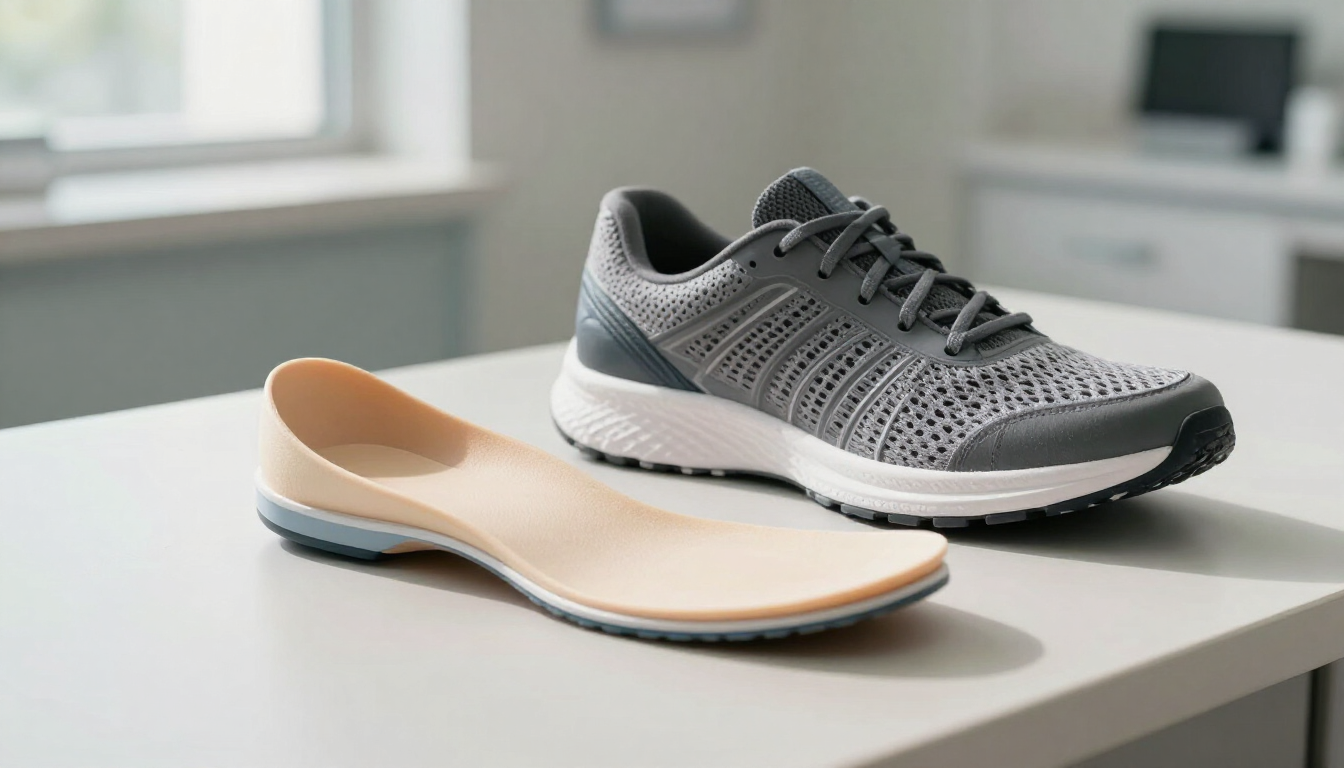


How to Beat Plantar Fasciitis: Podiatrist Guide
Plantar fasciitis is inflammation and irritation of the tissue supporting your foot’s arch, often causing stabbing heel pain with the first steps in the morning. Podiatrists can identify the underlying cause, recommend targeted treatments, and create a recovery plan that reduces pain and helps prevent recurrence.
What Causes Plantar Fasciitis?
The plantar fascia is a strong band of tissue running from the heel to the base of the toes. It helps support the arch and absorb impact while you walk, run, or stand. Repetitive strain can create small injuries in this tissue, leading to pain and stiffness.
Common contributing factors include:
- Increased walking, running, or standing
- Tight calf muscles or limited ankle flexibility
- Flat feet or unusually high arches
- Unsupportive, worn, or poorly fitted footwear
- Weight gain or higher-impact activity
Plantar fasciitis is especially common among runners, people with physically demanding jobs, and adults who spend much of the day on their feet. However, it can affect nearly anyone.
What Does Plantar Fasciitis Feel Like?
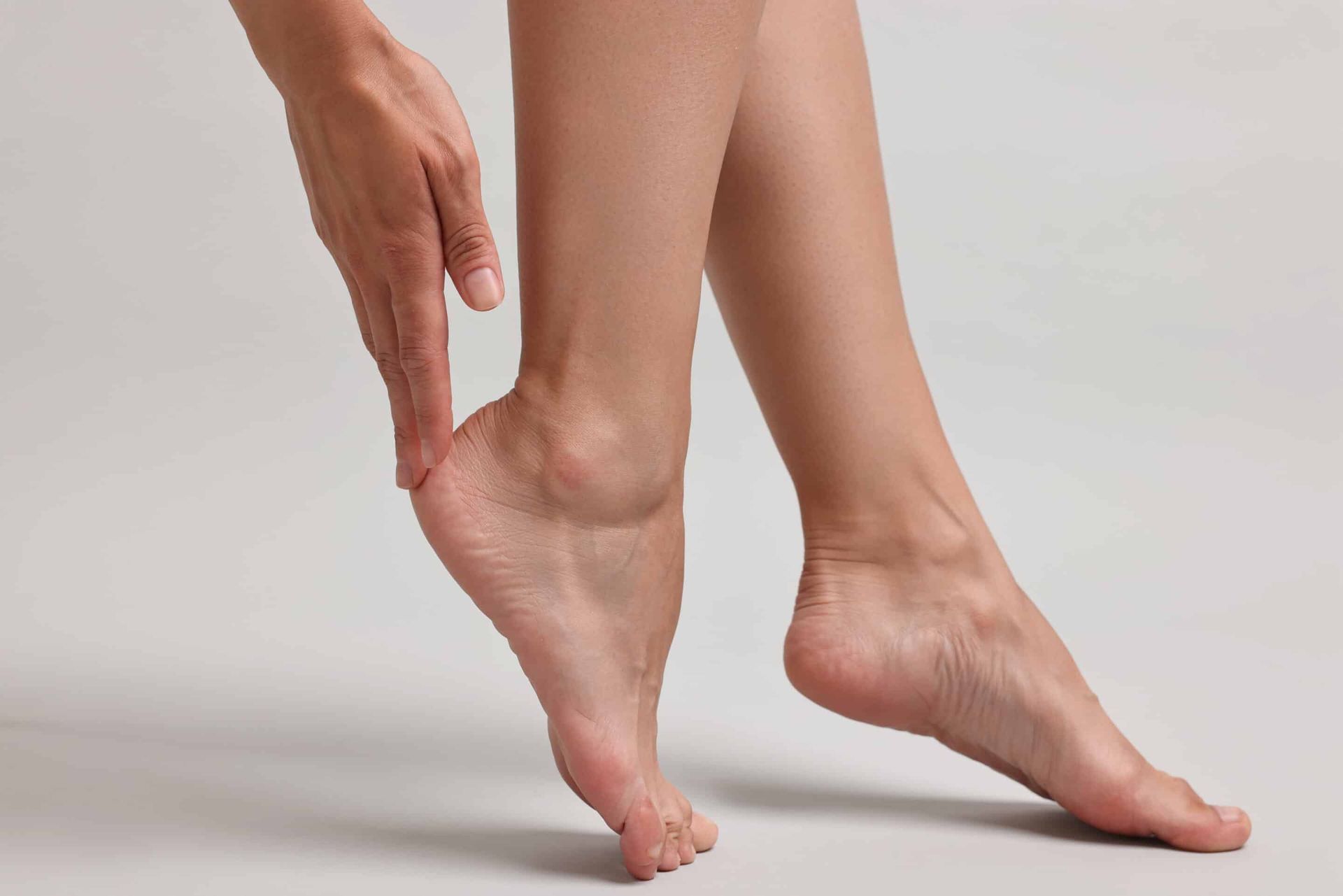
The most recognizable symptom is sharp pain beneath the heel or along the arch. Pain is frequently worst when taking the first steps after waking up or after sitting for an extended time. It may ease as you move, then return after prolonged activity or rest.
You may also notice:
- Tenderness when pressing on the bottom of the heel
- Heel pain after exercise rather than during it
- Tightness in the arch or calf
- Pain that increases when walking barefoot on hard surfaces
Because several conditions can cause heel pain, an accurate diagnosis matters. A podiatrist can distinguish plantar fasciitis from stress fractures, nerve irritation, tendon problems, arthritis, or other foot conditions. Learn more about related symptoms on our heel pain page.
When Should You See a Podiatrist?
Consider scheduling an evaluation if heel pain lasts more than a few weeks, limits your normal activities, or keeps returning despite rest and basic home care. You should also seek professional help sooner if pain is severe, follows an injury, causes swelling, or makes it difficult to bear weight.
People with diabetes, poor circulation, or peripheral neuropathy should not ignore persistent foot pain. Specialized guidance can help reduce the risk of complications. Our new patient information explains what to expect when arranging an appointment.
How Do Podiatrists Diagnose Plantar Fasciitis?
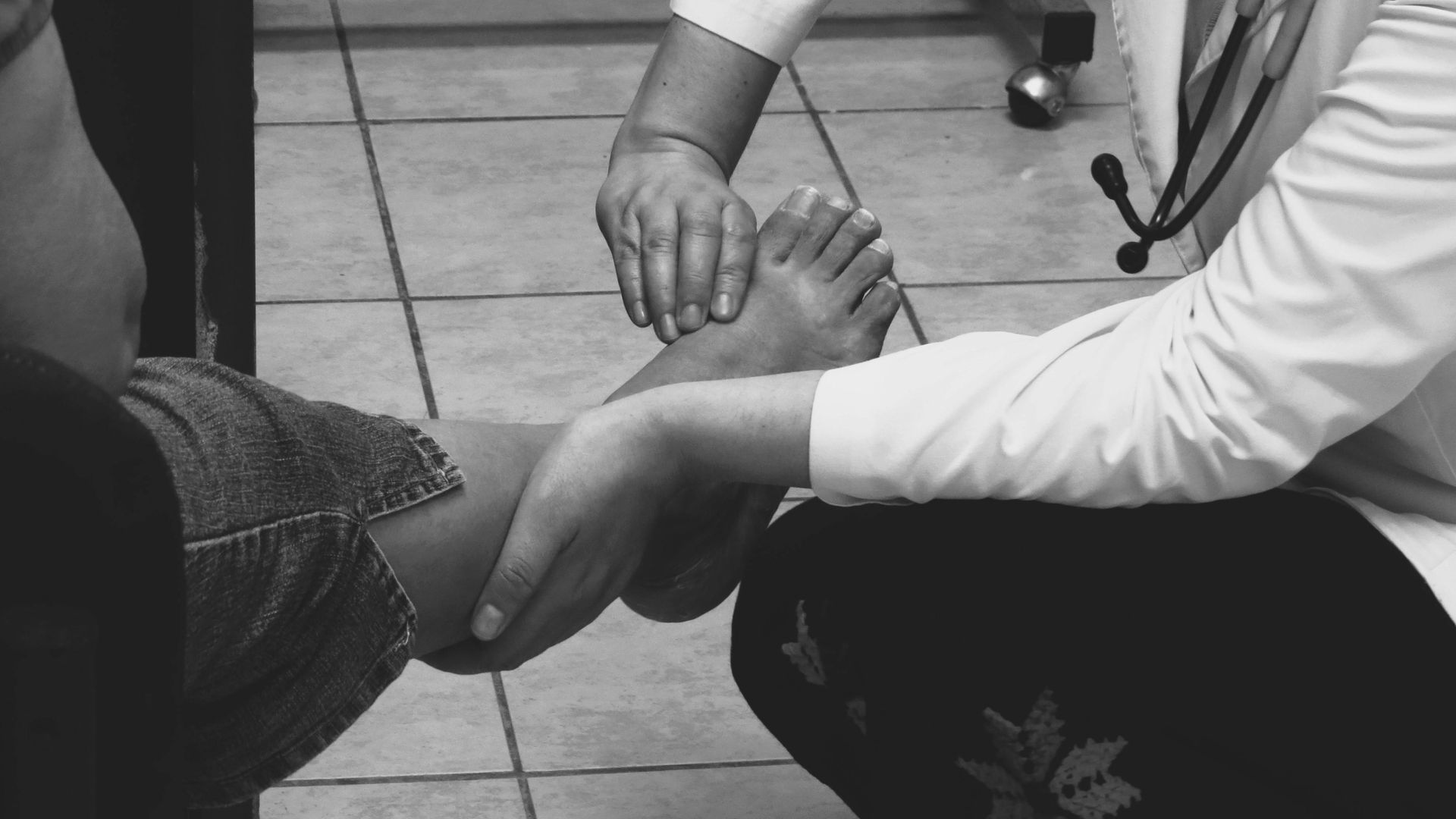
A podiatrist begins with a detailed discussion of your symptoms, activities, footwear, medical history, and previous injuries. During the examination, the provider may:
- Locate areas of tenderness along the heel and arch.
- Assess your ankle flexibility, calf tightness, and muscle strength.
- Observe your walking pattern and foot alignment.
- Evaluate how your shoes and activity level affect symptoms.
- Order imaging when another condition needs to be ruled out.
Many cases can be diagnosed through history and physical examination. Imaging is not always necessary, but an X-ray, ultrasound, or other study may be appropriate when symptoms are unusual, severe, or slow to improve.
Why a Biomechanical Evaluation Helps
Plantar fasciitis is not always caused by the painful spot alone. The way your foot moves can place repeated stress on the plantar fascia. A biomechanical evaluation helps identify issues such as overpronation, poor arch support, limited ankle motion, or an uneven stride.
Understanding these contributing factors allows treatment to address the source of the strain instead of only masking discomfort.
Which Treatments Can Help Plantar Fasciitis?
Treatment is personalized according to your symptoms, activity goals, foot structure, and overall health. Common conservative options include:
- Activity modification while the tissue calms down
- Calf and plantar fascia stretching
- Supportive footwear with appropriate cushioning
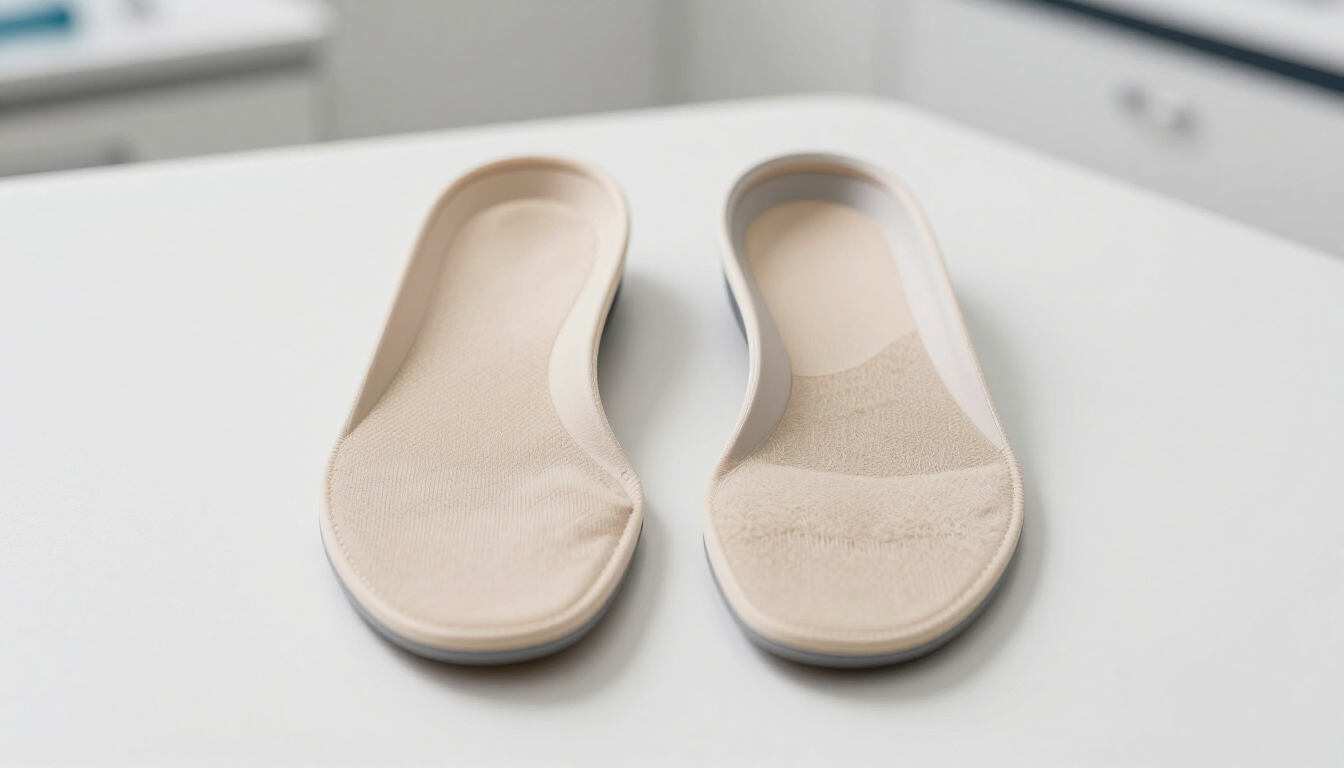
- Custom orthotics when alignment or pressure distribution is a concern
- Ice, medication guidance, or other pain-management strategies when appropriate
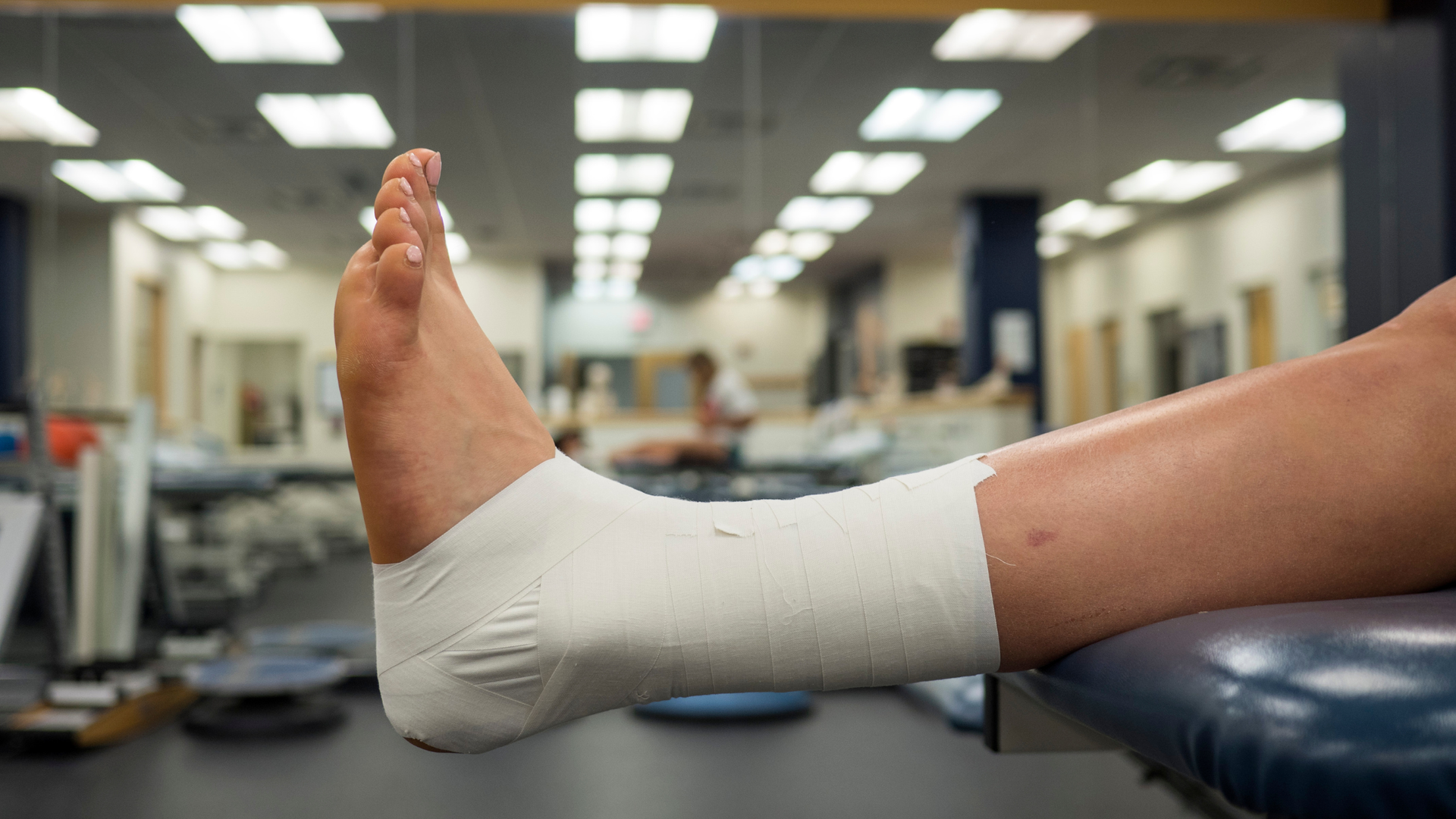
Your podiatrist may also recommend physical therapy, night splints, taping, or a gradual return-to-activity plan. The goal is to reduce irritation while improving flexibility, support, and strength.
Do Custom Orthotics Help Heel Pain?
Custom orthotics may help some patients by supporting the arch, redistributing pressure, and improving foot mechanics. They are designed from an assessment of your feet and movement rather than selected as a generic insert.
Orthotics are not automatically necessary for every case. A podiatrist can determine whether they are appropriate and explain how to use them comfortably. They may be especially useful when plantar fasciitis is linked to flat feet, recurring symptoms, athletic activity, or difficulty finding supportive footwear.
Our services page provides more information about comprehensive foot and ankle care, including biomechanical evaluation and custom orthotics.
How Long Does Plantar Fasciitis Take to Heal?
Recovery varies. Some people improve within several weeks, while others need a few months of consistent care. Long-standing or repeatedly aggravated plantar fasciitis can take longer to resolve.
Your recovery is more likely to progress when you:
- Follow the recommended stretching and strengthening plan
- Wear supportive shoes consistently
- Increase activity gradually
- Attend follow-up visits when recommended
- Address contributing factors such as calf tightness or abnormal foot mechanics
Stopping treatment as soon as pain improves can allow the problem to return. A gradual return to normal activity helps the plantar fascia adapt safely.
What If Conservative Treatment Does Not Work?
Most patients improve without surgery, but persistent symptoms deserve reassessment. Your podiatrist may review the diagnosis, footwear, activity level, orthotic fit, and adherence to the treatment plan before considering additional options.
Depending on the situation, advanced treatments may include targeted injections, regenerative approaches, or minimally invasive procedures. These options are considered carefully and only when appropriate. Treatment decisions should reflect your symptoms, goals, medical history, and response to earlier care.
How Can You Prevent Plantar Fasciitis From Returning?
Prevention focuses on reducing repeated stress and supporting healthy foot mechanics. Helpful habits include:
- Replace worn athletic shoes before cushioning and support break down.
- Stretch your calves and feet before and after demanding activity.
- Increase running or exercise volume gradually.
- Avoid long periods of barefoot walking on hard floors when symptoms are active.
- Maintain regular foot evaluations if you have recurring pain or a chronic condition.
Cross-training can also reduce repetitive impact. If you are returning to sports, ask your podiatrist how to progress safely rather than immediately resuming your previous intensity.
Frequently Asked Questions About Plantar Fasciitis
Is plantar fasciitis caused by a heel spur?
Not necessarily. Heel spurs can appear on imaging, but they are often a result of long-term stress rather than the primary cause of pain. Treatment typically focuses on the irritated plantar fascia and contributing mechanics.
Should I walk through plantar fasciitis pain?
Avoid activities that sharply increase pain, but complete inactivity is not always necessary. Low-impact movement may be appropriate when approved by your provider. A gradual plan is safer than pushing through worsening symptoms.
Is massage helpful for plantar fasciitis?
Gentle massage may temporarily reduce tightness and discomfort. It should complement, not replace, evaluation, stretching, supportive footwear, and treatment for the underlying cause.
Can plantar fasciitis go away on its own?
Mild cases may improve with rest, stretching, and better support. Professional evaluation is valuable when symptoms persist, interfere with daily life, or recur because untreated contributing factors can prolong recovery.
Take the Next Step Toward Relief
Plantar fasciitis is a common cause of heel pain, but ongoing symptoms should not be dismissed. Podiatrists can confirm the diagnosis, identify mechanical contributors, and recommend care ranging from stretching and footwear changes to custom orthotics and advanced treatment. If pain continues beyond a few weeks, affects your activity, or returns repeatedly, schedule an evaluation. Review our Plantar Fasciitis resource, then contact our team to discuss the right next step for healthier, more comfortable movement.