Summer Foot Care: 5 Ways to Prevent Heat-Related Pain
Summer foot care involves protecting your feet from extreme heat, moisture, and friction. High temperatures can cause swelling, blisters, and fungal growth. By maintaining proper hygiene, wearing supportive footwear, and applying sunscreen, you can prevent common seasonal issues like athlete’s foot and maintain optimal foot health all summer.
Why do my feet swell in the summer heat?
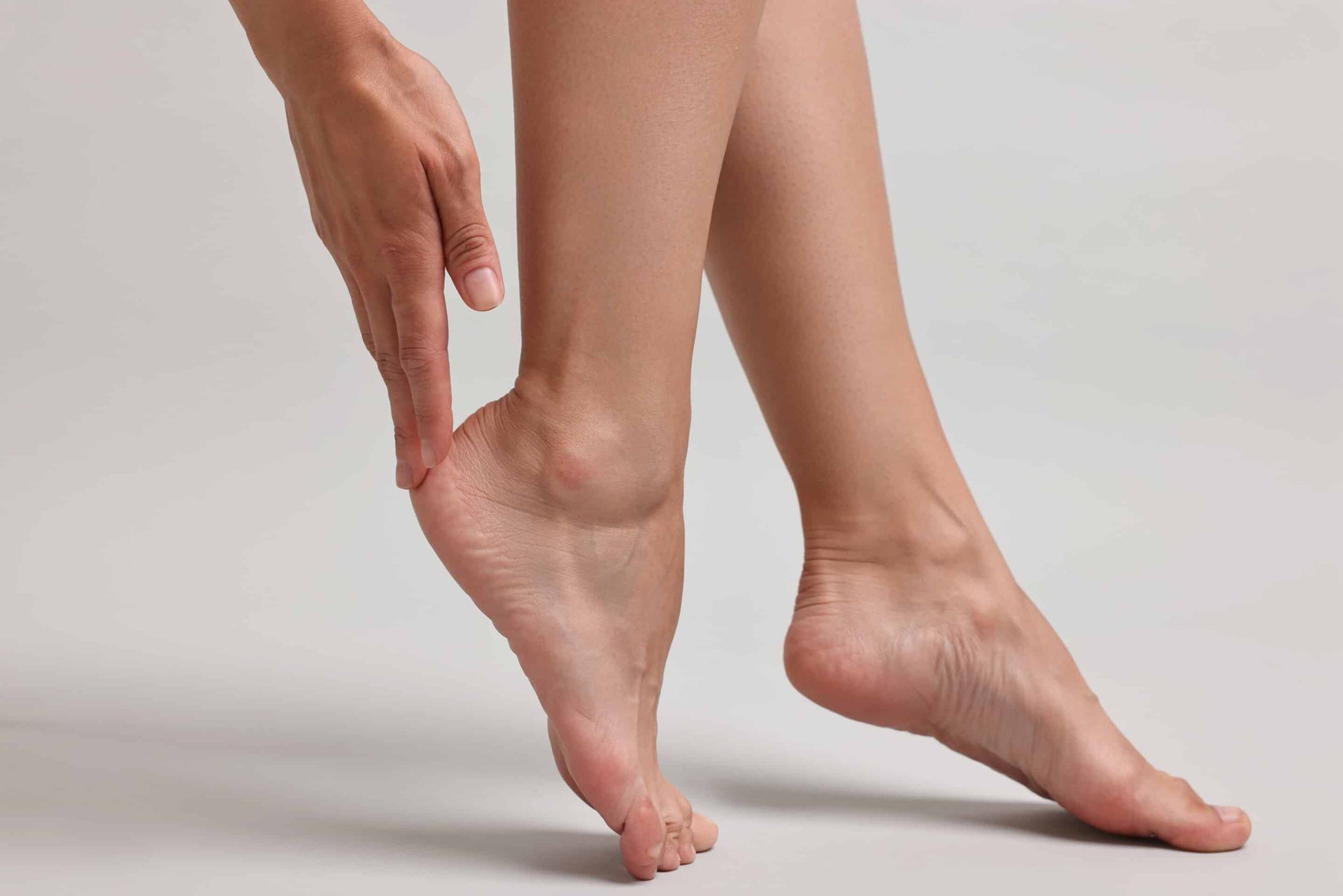
When the temperature rises in Missouri and Kansas, many people experience a condition known as heat edema. This occurs because the body’s natural cooling mechanism involves dilating the blood vessels to allow heat to escape through the skin. However, gravity can cause this increased blood flow to pool in the lower extremities, leading to significant swelling in the feet and ankles.
This fluid retention is not just a cosmetic concern; it can make shoes feel tight and lead to increased pressure on sensitive areas of the foot. For individuals already dealing with Heel Pain or other chronic conditions, this additional pressure can exacerbate discomfort. To manage summer swelling, it is recommended to elevate your feet whenever possible and stay hydrated, as water helps flush excess salt from the system. Reducing salt intake during heatwaves can also minimize fluid retention. If you notice persistent or asymmetrical swelling, it is important to consult a professional to rule out underlying circulatory issues.
How can I prevent blisters during summer activities?
Blisters are a common byproduct of the summer season, often caused by the combination of heat, moisture, and friction. When your feet sweat, the moisture softens the skin, making it more susceptible to tearing under the repetitive motion of walking or running. This is particularly prevalent during summer vacations or when starting new exercise routines. To protect your feet, follow these steps:
- Wear moisture-wicking socks made of synthetic blends or wool rather than cotton.
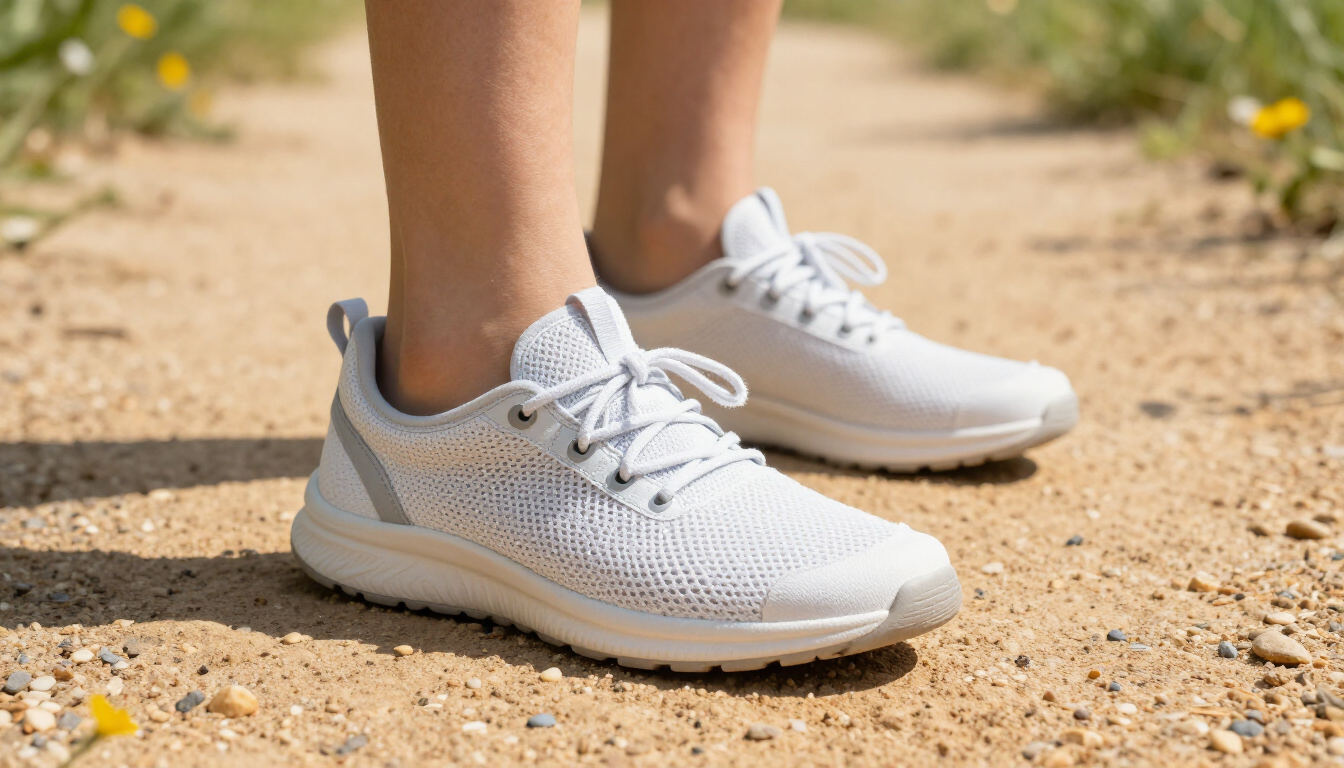
- Ensure your summer footwear is properly broken in before long walks.
- Apply moleskin or specialized anti-friction sticks to high-rub areas.
- Keep your feet dry by using foot powder if you struggle with excessive sweating.
- Change your socks immediately if they become damp from perspiration.
Properly managing minor injuries is essential to prevent infection. If a blister does form, avoid the urge to pop it, as the skin provides a natural sterile barrier. For more complex cases or if you notice signs of redness and pus, professional Wound Care may be necessary to ensure the area heals without complication.
Essential Summer Foot Protection Strategies
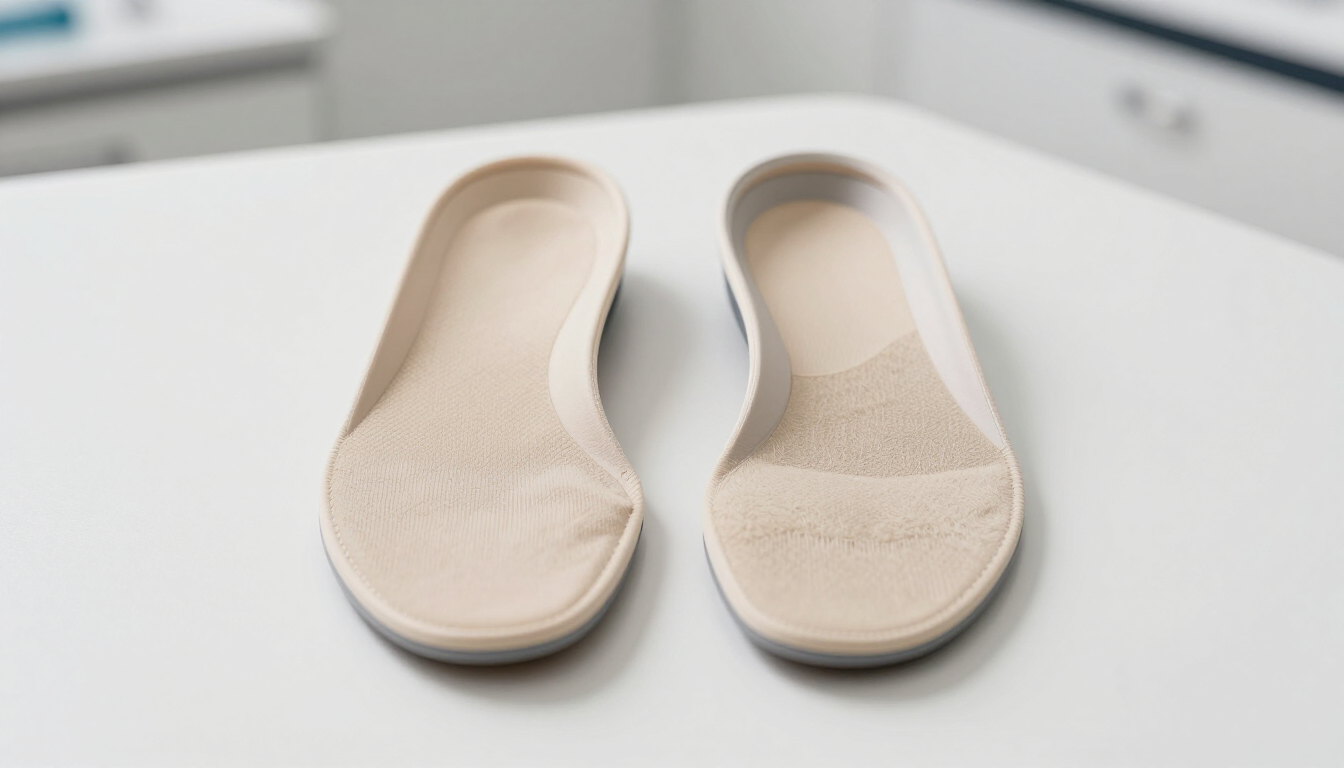
Protecting your feet during the summer requires a proactive approach that covers everything from skin care to structural support. While the focus is often on aesthetics, the functional health of your feet is what allows you to enjoy seasonal activities. A major part of summer protection is being mindful of surfaces. Hot pavement, sand, and pool decks can reach temperatures high enough to cause second-degree burns on the soles of the feet. Always wear protective footwear when walking on these surfaces, even for short distances.
Another critical strategy is routine inspection. This is especially vital for those requiring Diabetic Foot Care . Heat and humidity can mask the early signs of irritation or small cuts that could lead to Diabetic Infections . A daily check of the tops, bottoms, and between the toes ensures that any issues are caught early before the summer heat turns a small scratch into a significant medical concern. By prioritizing these daily habits, you can maintain your activity levels throughout the warmest months of the year.
Can you get a sunburn on your feet?
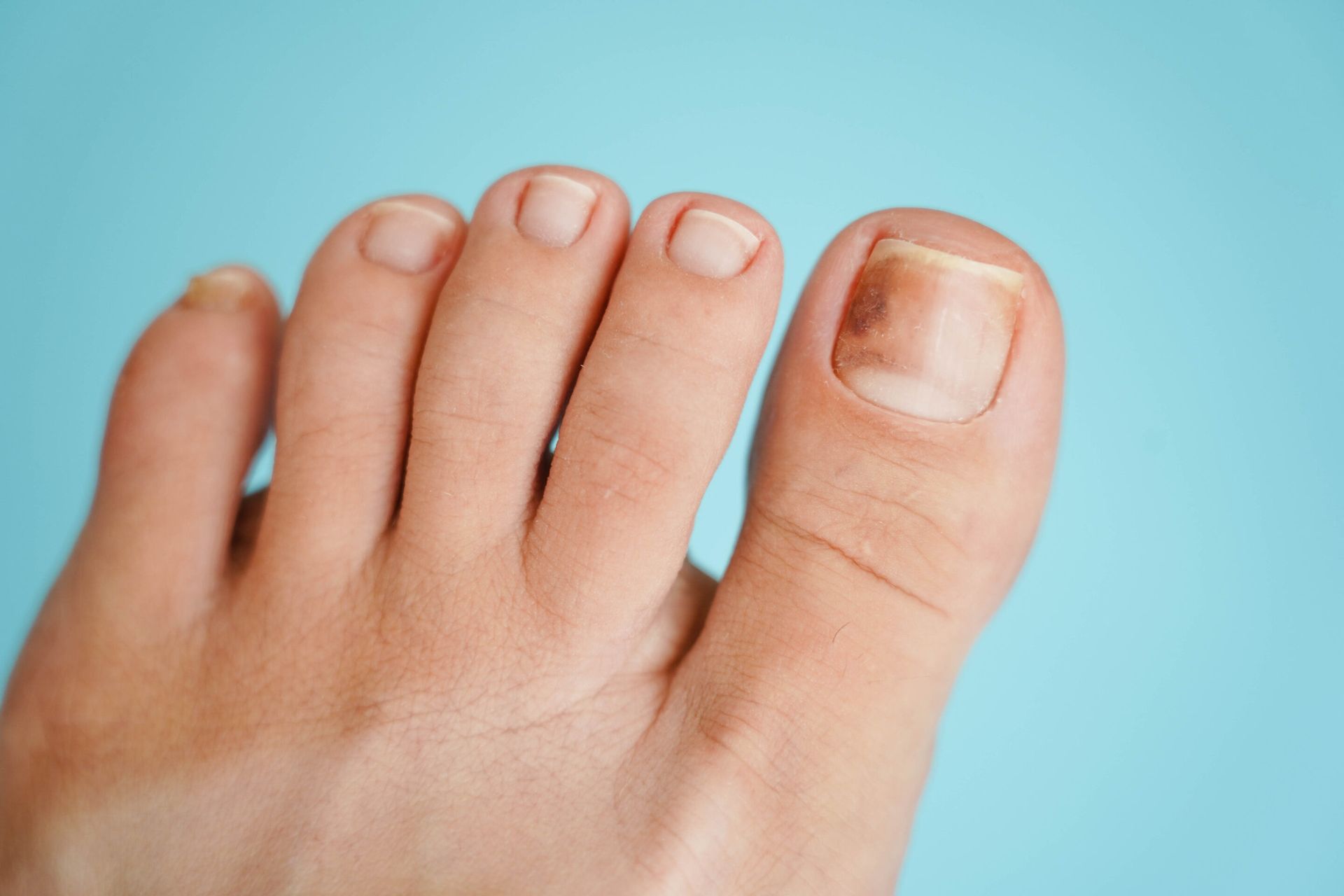
Yes, the skin on your feet is just as susceptible to UV damage as the rest of your body, yet it is one of the most frequently overlooked areas for sunscreen application. Sunburns on the tops of the feet can be extremely painful, making it difficult to wear shoes or walk comfortably. More importantly, the feet are a common site for melanoma, which can go unnoticed because people rarely check their feet for changing moles or unusual spots.
When applying sunscreen, pay special attention to the dorsal (top) surface of the feet and the area around the ankles. If you are wearing sandals with straps, ensure you apply protection under and around the straps to avoid