Heel pain can strike suddenly and make every step uncomfortable, especially first thing in the morning or after long periods of standing. What starts as mild soreness can quickly turn into persistent pain that affects your work, exercise routine, and overall quality of life.
Many people search for “how to cure heel pain fast,” hoping for immediate relief. While there isn’t a single cure that works for everyone, the fastest way to relieve heel pain is by identifying its root cause and treating it correctly. Heel pain can stem from several different conditions, and each one responds best to a specific treatment approach.
At Comprehensive Foot Centers, our podiatrists focus on accurately diagnosing the source of your heel pain and creating a personalized treatment plan designed to deliver fast, long-lasting relief. If heel pain is slowing you down, our specialists can help you find the fastest path to recovery.
Why Heel Pain Happens
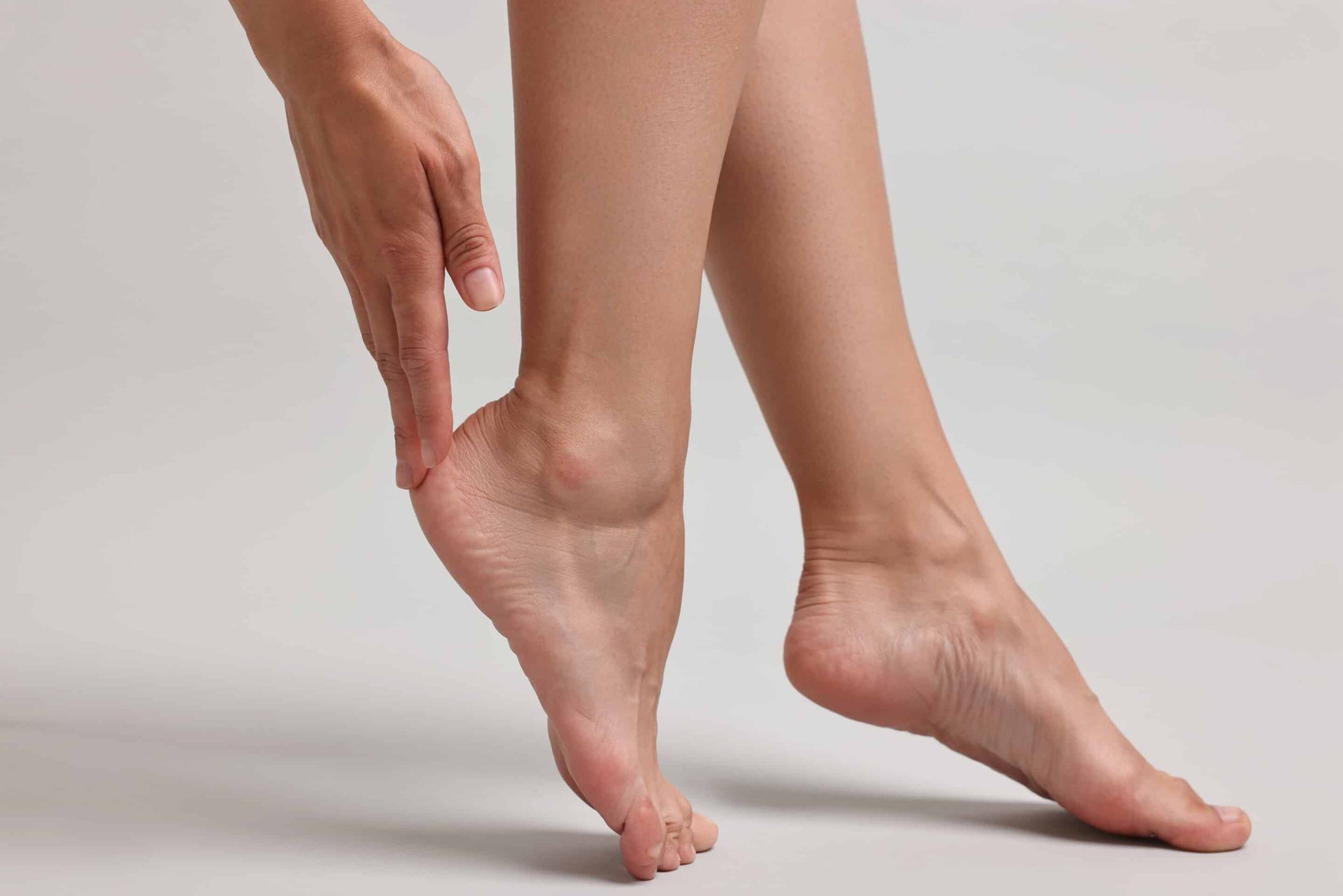
Heel pain is a symptom rather than a diagnosis. It often develops when the structures in and around the heel become inflamed, irritated, or overworked. One of the most common causes is plantar fasciitis, which occurs when the ligament running along the bottom of the foot becomes strained. Heel spurs, which are calcium deposits that form under the heel bone, can also contribute to pain, often alongside plantar fasciitis.
Pain at the back of the heel may be caused by Achilles tendinitis, a condition involving inflammation of the tendon that connects the calf muscles to the heel. In other cases, bursitis may develop when the fluid-filled sacs around the heel joint become irritated. Less commonly, nerve entrapment, stress fractures, or arthritis may be responsible for heel discomfort.
Because these conditions can feel very similar, determining the exact cause is essential for achieving fast and lasting relief.
The Fastest Ways to Relieve Heel Pain
If your heel pain has recently started, these short-term strategies can help reduce discomfort and inflammation while you seek proper care.
Rest and Activity Modification
Reducing stress on the heel is one of the most effective ways to ease pain quickly. Limiting high-impact activities such as running, jumping, or prolonged standing allows inflamed tissues time to heal and prevents further irritation that could delay recovery.
Ice Therapy
Applying ice to the heel for 15 to 20 minutes several times a day helps decrease inflammation and swelling. Ice therapy also numbs sore tissues, providing temporary pain relief while calming irritated structures in the heel.
Supportive Footwear
Wearing proper footwear plays a major role in relieving heel pain. Walking barefoot or wearing flip-flops and unsupportive shoes increases strain on the heel. Shoes with adequate cushioning, arch support, and shock absorption help protect the heel with every step and reduce ongoing stress.
Stretching and Massage
Gentle stretching of the plantar fascia and calf muscles can significantly improve flexibility and reduce tightness. Simple techniques such as rolling a tennis ball or frozen water bottle under the arch help loosen tense tissues, improve circulation, and relieve discomfort.
Over-the-Counter Pain Relief
Non-prescription anti-inflammatory medications may temporarily reduce pain and swelling. While these medications can offer short-term relief, they should be used cautiously and never as a replacement for proper diagnosis and treatment.
Custom Orthotics
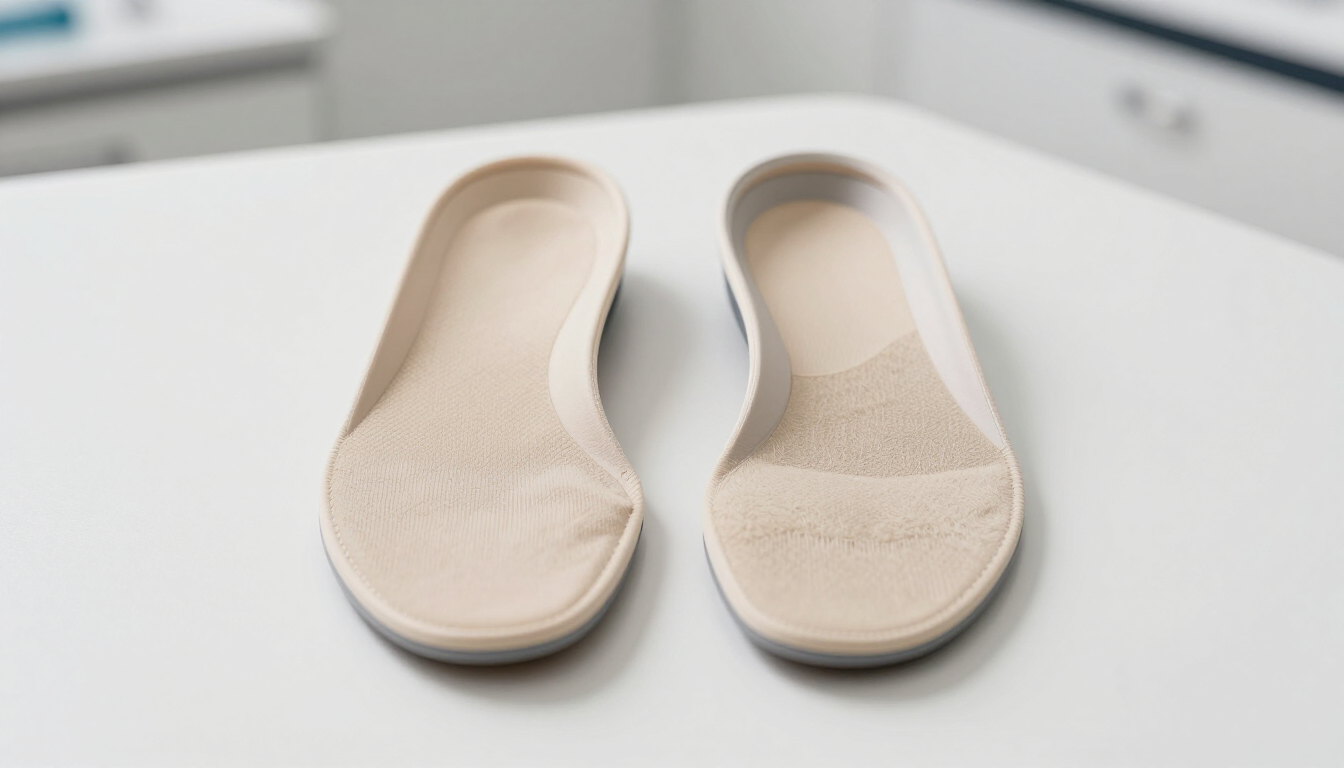
Custom orthotics are designed to match your foot structure and walking pattern. By providing targeted support and proper alignment, they relieve heel strain more effectively than generic inserts and help prevent heel pain from returning.
When Heel Pain Persists: Identifying the Cause
If heel pain lasts longer than one or two weeks, continues to return, or becomes more intense, it’s time to see a podiatrist. Ignoring persistent heel pain can lead to chronic inflammation and longer recovery times.
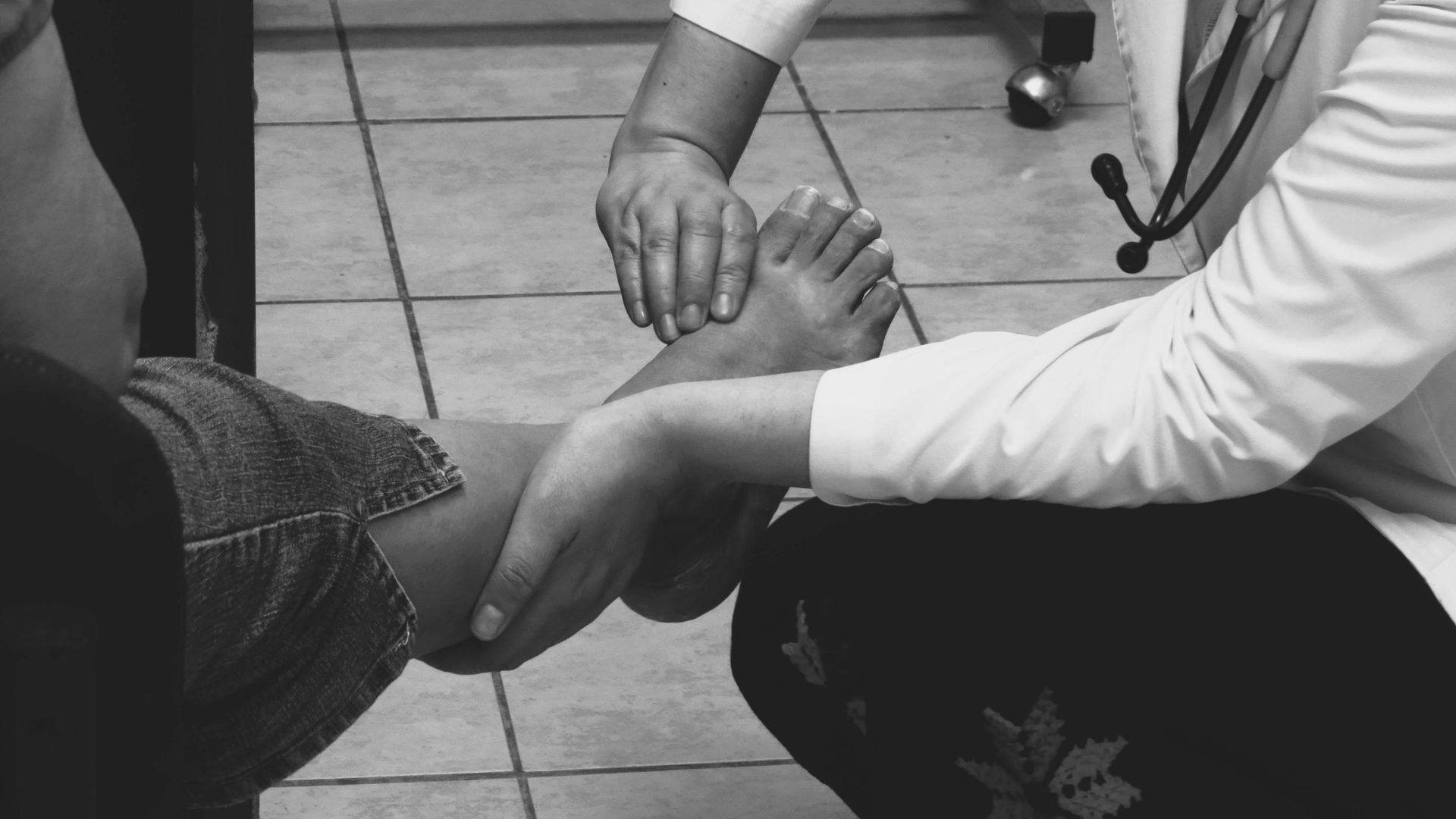
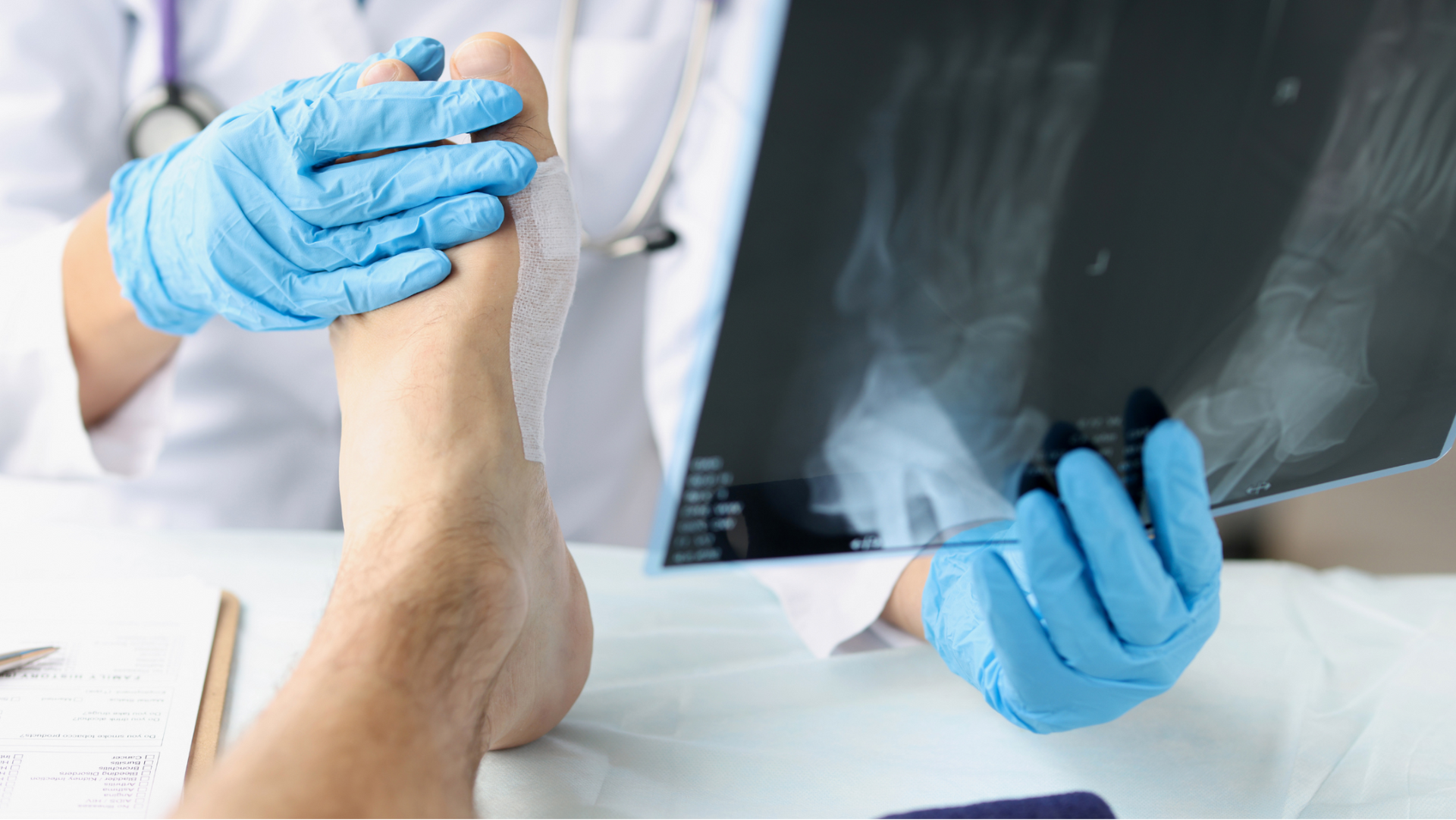
At Comprehensive Foot Centers, diagnosing heel pain begins with a detailed physical examination. Imaging studies, such as X-rays or ultrasound, may be used to evaluate bone and soft tissue structures. Gait analysis can also help identify abnormal movement patterns or pressure points contributing to your pain. With an accurate diagnosis, treatment can be targeted and effective from the start.
Targeted Treatments Based on Your Condition
Because heel pain can have different causes, treatment must be tailored to the specific condition. At Comprehensive Foot Centers, your podiatrist will recommend a plan designed to relieve pain quickly and promote long-term healing.
Plantar Fasciitis
Common signs include sharp or stabbing heel pain, especially with the first steps in the morning. Treatment options may include:
- Guided stretching programs and home exercises
- Night splints to reduce morning pain
- Custom orthotics to support the arch and reduce strain
- Shockwave therapy to stimulate healing
- Advanced options such as EMTT or MLS Laser Therapy, when appropriate
Achilles Tendinitis
This condition often causes pain, stiffness, or tenderness at the back of the heel. Treatment may involve:
- Calf and Achilles stretching routines
- Heel lifts to reduce tendon stress
- Physical therapy to improve strength and flexibility
- Regenerative therapies for chronic or stubborn cases
Heel Spurs
Heel spurs are often linked to long-term strain from plantar fasciitis. Treatment may include:
- Custom orthotics to offload pressure
- Anti-inflammatory therapies
- Supportive footwear recommendations
- Minimally invasive procedures in severe cases
Bursitis or Nerve-Related Heel Pain
Pain caused by bursitis or nerve irritation may require:
- Pressure offloading and footwear modifications
- Ultrasound therapy
- Corticosteroid injections, when clinically appropriate
Stress Fractures or Arthritis
These conditions require early diagnosis to prevent complications and may involve:
- Rest and activity modification
- Temporary immobilization
- Imaging to guide proper healing and recovery

Preventing Heel Pain from Returning
Preventing heel pain starts with good foot care habits. Maintaining a healthy weight reduces stress on the feet, while regular stretching keeps muscles and ligaments flexible. Replacing worn-out shoes and wearing supportive footwear can prevent excessive strain. If orthotics are recommended, using them consistently can provide long-term protection. Most importantly, addressing heel pain early can prevent it from becoming a chronic issue.
When to See a Podiatrist
You should seek professional care if heel pain persists for several days, worsens over time, or interferes with daily activities. Swelling, redness, difficulty bearing weight, or pain that occurs at rest or first thing in the morning are all signs that medical evaluation is needed.
The sooner you see a podiatrist, the faster you’ll recover. Schedule an appointment with Comprehensive Foot Centers today.
Final Thoughts
While home remedies may offer temporary relief, lasting improvement depends on proper diagnosis and targeted treatment. Delaying care can allow heel pain to worsen and extend recovery time. With the right approach, most heel pain can be treated effectively, helping you get back on your feet comfortably and confidently.