Ingrown toenails can be a painful and frustrating experience, often interrupting your daily routine,, especially when you’re not sure whether they’ll heal on their own or become something more serious. Many patients wonder, “Can an ingrown toenail really go away without treatment?” The truth is, mild cases sometimes improve with proper home care, but moderate to severe ingrown toenails often need professional attention to prevent infection or recurrence.
At Comprehensive Foot Centers, our podiatrists help patients find lasting relief from ingrown toenails; from gentle in-office care to advanced treatments for more severe cases.
What Is an Ingrown Toenail?
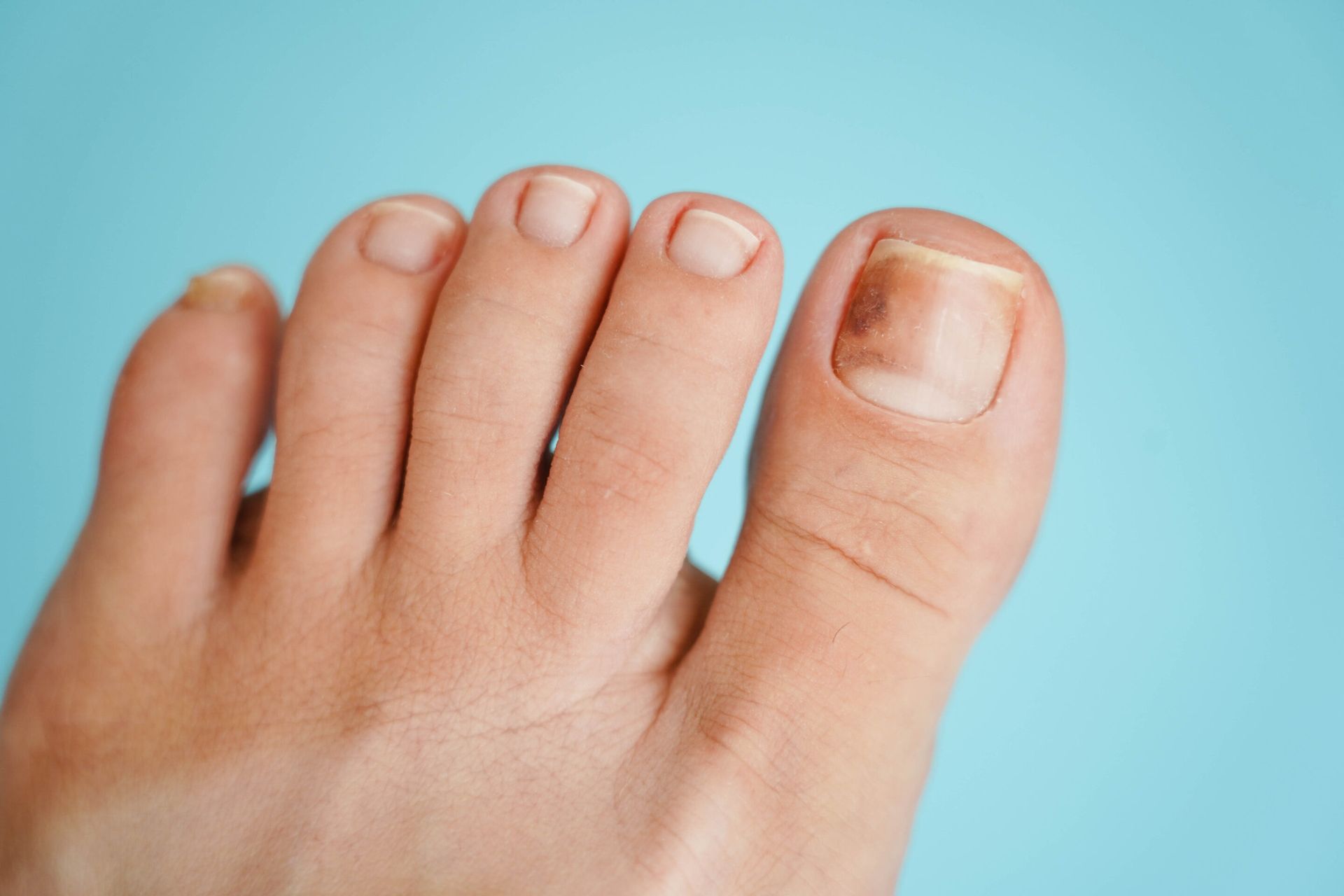
An ingrown toenail develops when the edge of the nail grows into the surrounding skin, causing pain, redness, swelling, and sometimes even infection. While it most commonly affects the big toe, any toe can develop this condition. It’s one of the most frequent foot issues seen in podiatry offices, and early care is crucial. Without timely treatment, the problem can worsen, leading to infection, abscesses, or chronic discomfort.
What Causes Ingrown Toenails?
- Improper Nail Trimming: Cutting toenails too short or rounding the edges encourages the nail to curve and grow into the skin.
- Tight Footwear: Shoes or socks that squeeze the toes place pressure on the nail, causing it to dig inward.
- Injury or Repeated Pressure: Stubbing a toe, dropping something on it, or repetitive sports activity can trigger an ingrown toenail.
- Genetics and Foot Shape: Some people naturally have curved nails or wider nail folds, making them more prone to developing ingrown toenails.
- Underlying Health Conditions: Diabetes, poor circulation, and fungal infections can increase the risk while also slowing healing.
Can an Ingrown Toenail Go Away on Its Own?
Mild Cases
Yes, mild ingrown toenails can sometimes resolve naturally when caught early. Signs include slight tenderness, mild redness, and no drainage. With gentle home care, the nail may grow out properly.
Moderate to Severe Cases
Typically, no. In these cases, the nail continues to grow deeper into the skin, causing significant pain and increasing the risk of infection. Signs it won’t heal without treatment include:
- Throbbing or worsening pain
- Pus or drainage
- Red streaking or warmth
- Overgrowth of skin around the nail
The Risk of Waiting Too Long
Delaying treatment can lead to infections, abscesses, and in severe cases, bone infections. Bone infections are most common in diabetic patients. It’s always better to have an ingrown toenail evaluated before it worsens, so you can avoid potential future risks.
At-Home Care for Mild Ingrown Toenails
- Disclaimer: These tips are only for mild cases with no signs of infection.
- Soak the Foot: Use warm water with Epsom salt for 15–20 minutes, 2–3 times daily to reduce inflammation.
- Gently Lift the Nail: If it’s not too painful, place a small piece of clean cotton or dental floss under the nail edge to encourage proper growth.
- Wear Roomy Footwear: Choose shoes with a wide toe box and avoid tight or narrow footwear.
- Keep the Area Clean and Dry: Wash gently daily and use an antiseptic if recommended.
Important: If symptoms worsen or an infection appears, stop home care and see a podiatrist immediately.
When to See a Podiatrist
You should seek professional care if you experience:
- Persistent pain or swelling
- Pus or drainage
- Red streaks, warmth, or signs of infection
- Recurring ingrown toenails
- Diabetes or poor circulation
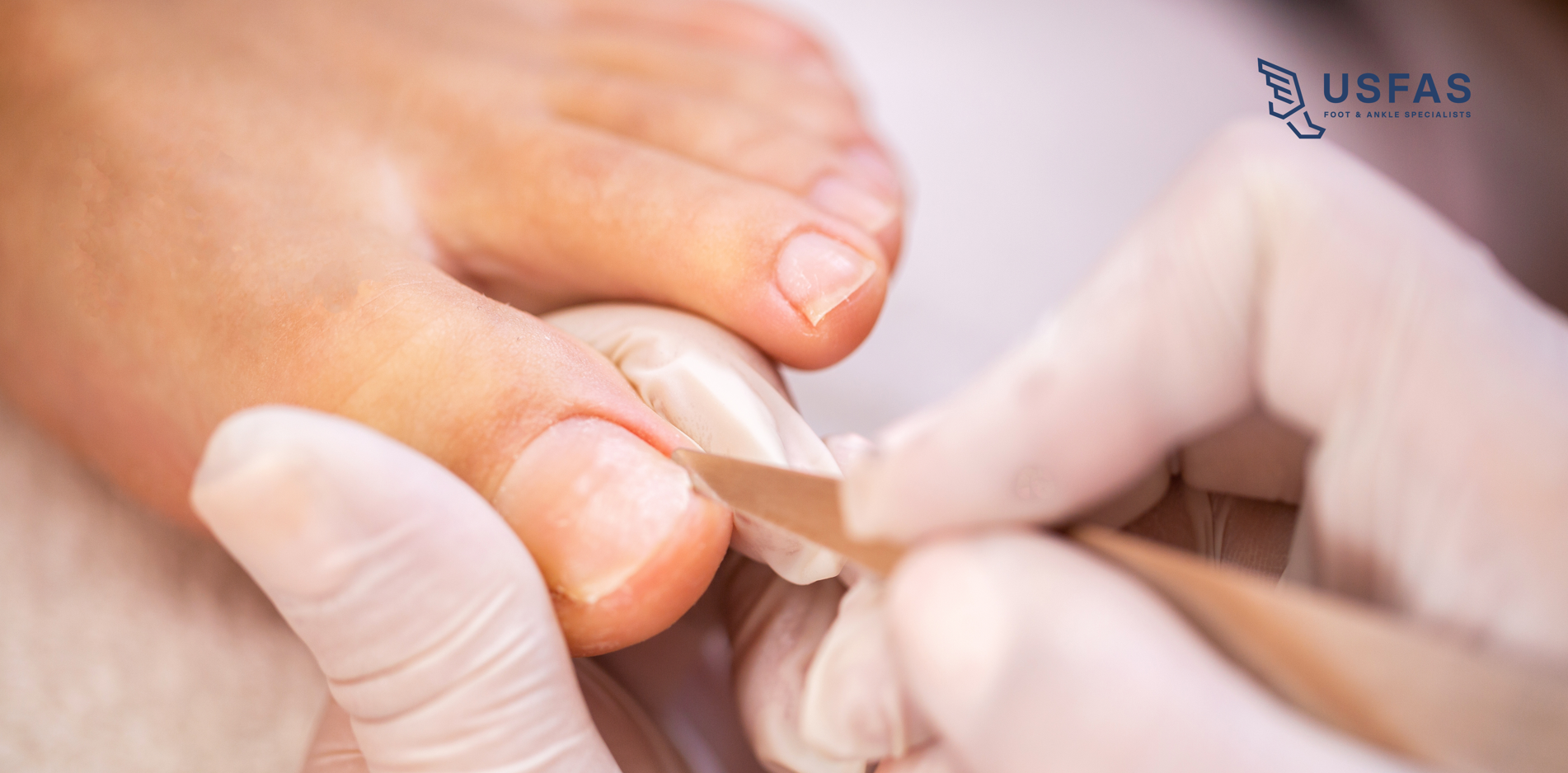
CTA: Our podiatrists can safely remove the ingrown nail edge and help prevent it from returning, often through a quick, in-office procedure that provides immediate relief.
Professional Treatments for Ingrown Toenails
- Partial Nail Removal: The ingrown portion of the nail is carefully removed under local anesthesia for fast relief.
- Permanent Nail Border Removal (Matrixectomy): A chemical, laser, or specialized technique prevents the problematic nail edge from growing back.
- Antibiotics: If an infection is present, oral or topical antibiotics may be prescribed.
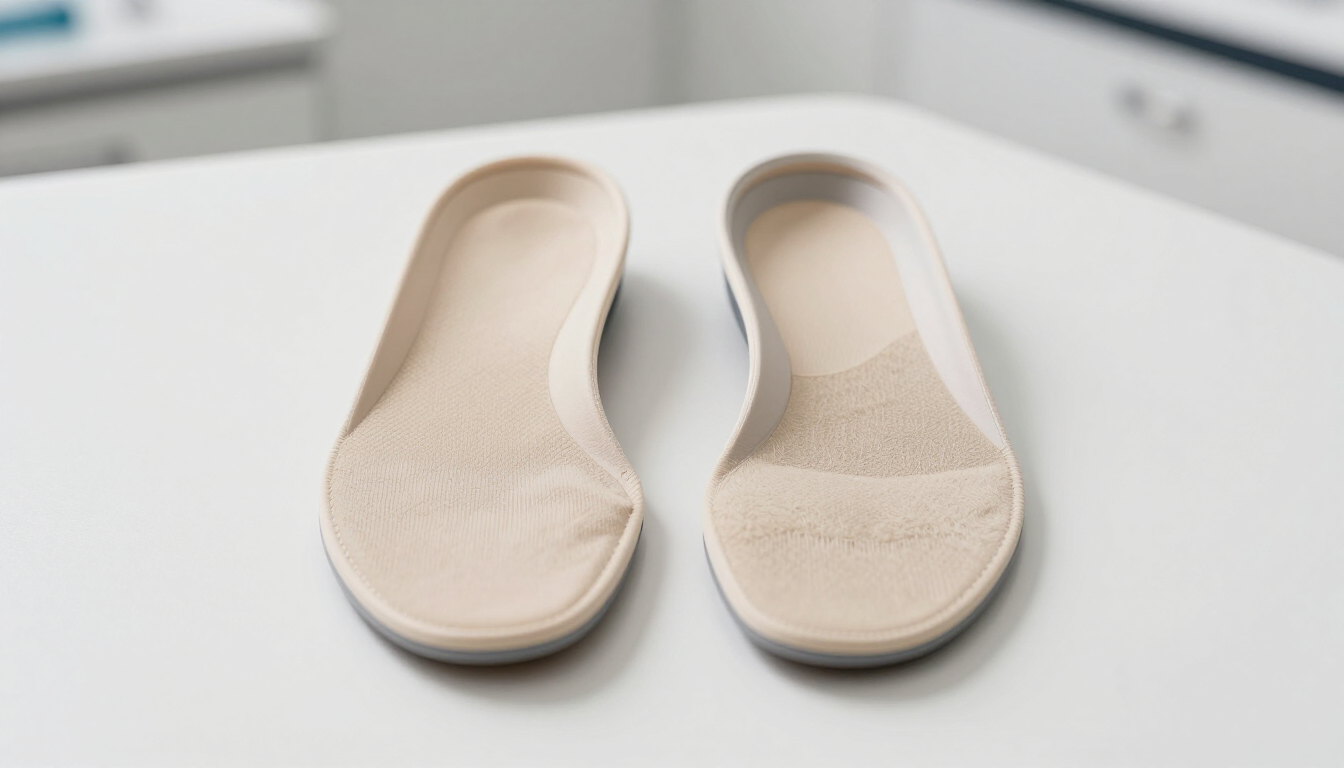
- Long-Term Prevention Measures: Custom orthotics, footwear guidance, and regular podiatry visits help reduce pressure and prevent recurrence.

How to Prevent Ingrown Toenails from Returning
- Cut toenails straight across and avoid rounding corners
- Don’t trim nails too short
- Wear shoes with a spacious toe box
- Maintain consistent foot hygiene
- Schedule regular checkups if you’re prone to ingrown toenails
Pro Tip: If you have diabetes, never attempt self-treatment. Always see a podiatrist for safe nail care.
Conclusion
Some mild ingrown toenails may go away on their own, but many require proper treatment to avoid pain, infection, or ongoing recurrence. The sooner it’s evaluated, the faster you’ll find relief.
If you’re dealing with an ingrown toenail that won’t heal, contact us at Comprehensive Foot Centers today. Our expert podiatrists provide fast, effective treatment to get you back on your feet pain-free.