How Sports Medicine in Podiatry Helps You Recover

November 9, 2026

Sports medicine in podiatry helps you recover by identifying how an injury affects your feet, ankles, and movement, then combining targeted treatment, rehabilitation, footwear guidance, and prevention. A podiatrist can manage conditions such as sprains, tendon injuries, stress fractures, and overuse problems while helping you safely return to activity.

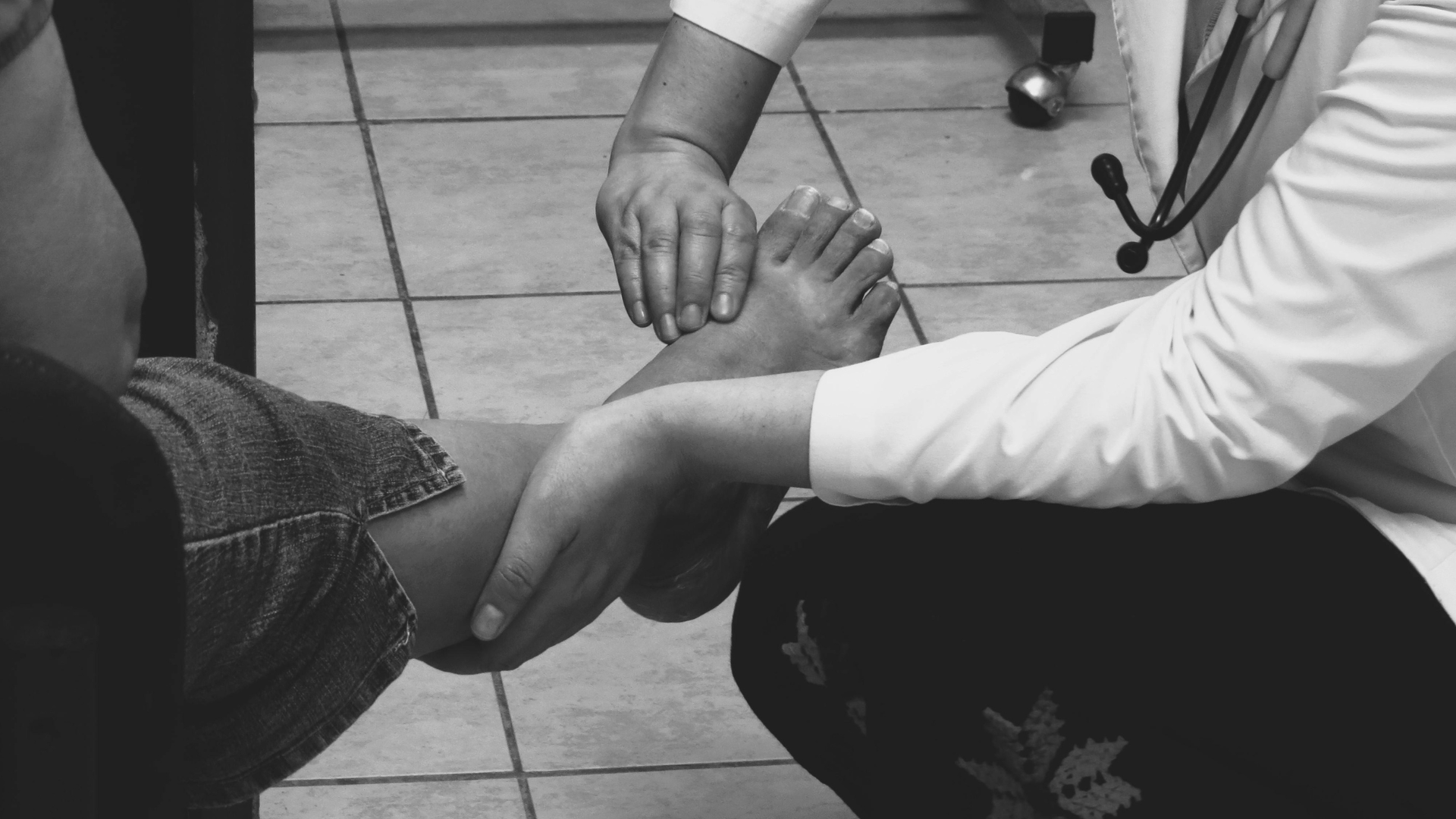
Podiatrist evaluating an athlete’s foot and ankle

What Does Sports Medicine in Podiatry Include?

Sports medicine in podiatry focuses on the relationship between your feet, ankles, legs, movement patterns, and athletic activity. It is not limited to treating pain after an injury. The goal is to identify the cause, support healing, restore function, and reduce the chance of reinjury.

Depending on your condition and goals, care may include:

  • Biomechanical and gait evaluation
  • Diagnosis of foot and ankle injuries
  • Customized treatment and activity modification
  • Physical therapy or rehabilitation recommendations
  • Custom orthotics and footwear guidance
  • Return-to-sport planning and injury prevention

A podiatrist may also coordinate care with physical therapists, orthopedic specialists, athletic trainers, or other clinicians when additional expertise is appropriate.

Which Foot and Ankle Injuries Can a Podiatrist Treat?

Podiatric sports medicine can help with both sudden injuries and problems that develop gradually. Common examples include:

  • Ankle sprains: Ligament injuries that may cause swelling, bruising, instability, and pain with walking or running. Learn more about ankle sprains .
  • Achilles tendon problems: Repetitive stress can cause tendon irritation or a tear. Explore information about Achilles tendonitis and Achilles tendon tears .
  • Plantar fasciitis: Heel pain frequently associated with running, prolonged standing, or changes in training. See our guide to plantar fasciitis .
  • Stress fractures: Small cracks in a bone caused by repeated loading, often producing localized pain that worsens with activity.
  • Overuse injuries: Conditions affecting tendons, muscles, joints, or nerves after a sudden increase in mileage, intensity, or training frequency.
  • Biomechanical pain: Symptoms related to flat feet, poor alignment, limited flexibility, or an inefficient gait.

Why Is a Biomechanical Evaluation Important?

Two people can have similar symptoms but need different treatment. A biomechanical evaluation examines how your foot and ankle move during standing, walking, running, or sport-specific activity. Your podiatrist may assess alignment, range of motion, strength, balance, footwear, and the distribution of pressure under your feet.

This evaluation can reveal contributing factors such as overpronation, limited ankle motion, muscle imbalance, or inadequate support. The findings help guide treatment instead of relying on a one-size-fits-all approach.

For some patients, custom orthotics may improve support and load distribution. Orthotics are not automatically necessary for every injury, but they can be useful when foot mechanics contribute to symptoms or repeated stress.

How Does a Podiatrist Help You Recover?

Recovery usually begins with an accurate diagnosis and a plan matched to the injury, your activity level, and your goals. Treatment may include several steps.

1. Diagnosis and early protection

Your podiatrist reviews your symptoms, training history, injury mechanism, and previous injuries. A physical examination may be followed by imaging when needed. Early recommendations may include relative rest, temporary activity changes, ice, compression, elevation, bracing, or protected weight-bearing.

2. Reducing pain while healing begins

Pain relief is only one part of recovery. Your clinician may recommend options appropriate for your condition, including supportive footwear, a brace, temporary immobilization, medication guidance, or other procedures. Treatment should account for your health history and the demands of your sport.

3. Restoring strength and movement

As symptoms improve, rehabilitation focuses on flexibility, strength, balance, coordination, and controlled loading. A gradual program helps your body adapt without adding excessive stress too quickly.

4. Building a safe return-to-activity plan

Returning to sport should be based on function, not simply the number of days since injury. Your plan may progress from walking to jogging, drills, practice, and competition. It should reflect pain levels, swelling, strength, balance, and sport-specific demands.

Athlete completing balance and ankle rehabilitation exercises

When Should You See a Podiatrist for a Sports Injury?

Consider scheduling an evaluation when:

  • Pain continues or worsens despite reducing activity
  • You cannot walk normally or bear weight
  • Swelling, bruising, numbness, or instability persists
  • Pain returns whenever you resume training
  • You heard a pop or experienced a sudden loss of strength
  • A recurring injury is limiting your performance

Seek prompt medical attention for severe pain, obvious deformity, an open wound, significant loss of sensation, or an inability to bear weight. Delaying evaluation can allow a manageable injury to become more difficult to treat.

How Can You Prevent Another Foot or Ankle Injury?

Prevention starts with identifying why the injury happened. Helpful strategies include:

  • Increase training volume and intensity gradually
  • Warm up and include sport-appropriate mobility work
  • Strengthen the feet, ankles, calves, and legs
  • Replace worn athletic shoes and choose activity-appropriate footwear
  • Address balance, flexibility, and movement limitations
  • Follow your rehabilitation plan even after pain improves
  • Alternate demanding workouts with adequate recovery

A podiatrist can also help evaluate recurring problems, gait concerns, and footwear needs. Visit the services page to learn more about available foot and ankle care.

Frequently Asked Questions

Can a podiatrist help with running injuries?

Yes. A podiatrist can evaluate running-related pain, identify contributing mechanics, and recommend treatment, rehabilitation, footwear changes, or orthotics when appropriate.

How long does sports injury recovery take?

Recovery time depends on the injury, severity, health factors, and adherence to treatment. Mild conditions may improve in weeks, while fractures, tendon tears, or severe sprains can require substantially longer care.

Should I stop exercising completely?

Not always. Your clinician may recommend modifying activity rather than stopping all movement. Avoid activities that increase pain or swelling and follow a gradual return plan.

Can orthotics prevent sports injuries?

Orthotics may help some people by improving support or pressure distribution, but they are not a universal solution. They should be recommended after an appropriate evaluation.

Key Takeaways for a Safer Recovery

Sports medicine in podiatry combines diagnosis, treatment, rehabilitation, and prevention for people with active lifestyles. It can help address both acute foot and ankle injuries and recurring pain caused by movement or training factors. If symptoms persist, affect your walking, or return with activity, arrange an evaluation rather than repeatedly pushing through them. Start by documenting when your pain occurs, reviewing your recent training and footwear, and discussing your goals with a podiatrist. A personalized plan can help you recover with greater confidence and return to activity at an appropriate pace.

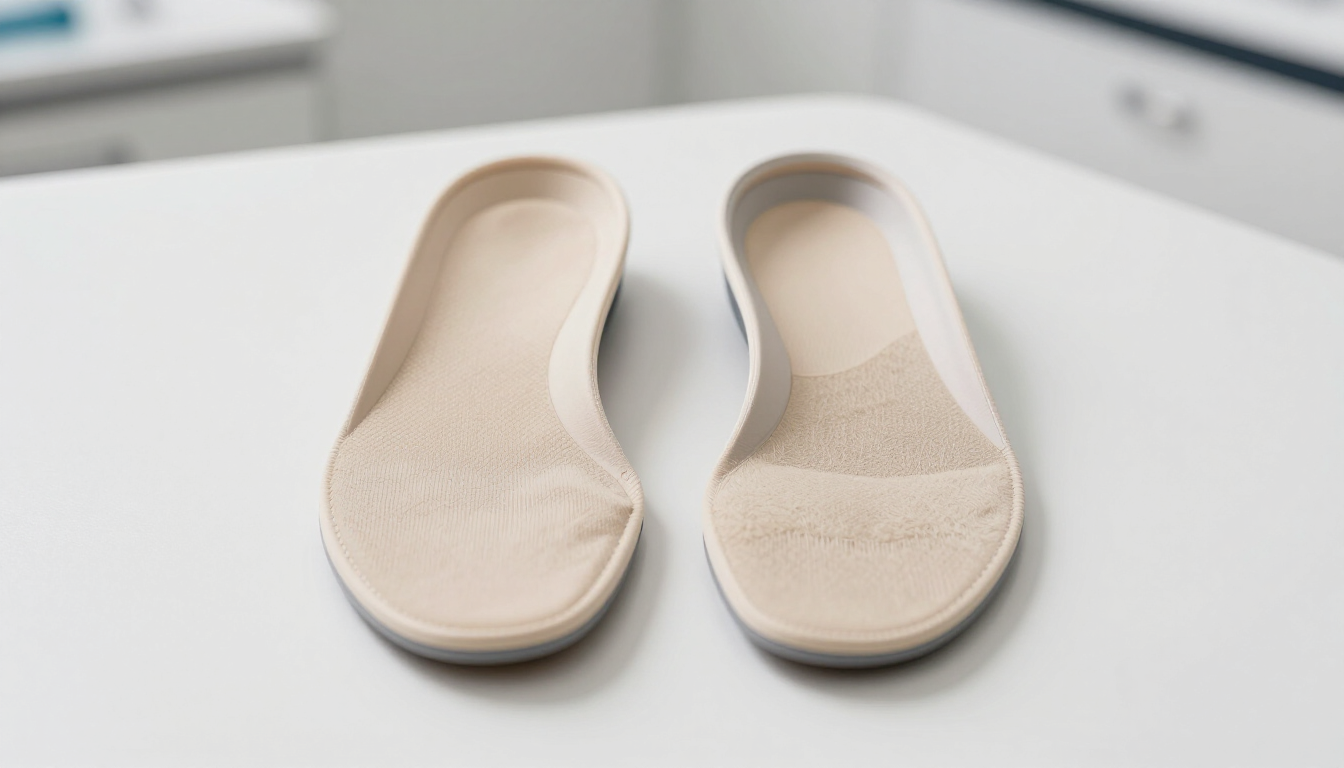
Close up of custom orthotic insoles for podiatry patients.
July 21, 2026
Discover the life-changing benefits of custom orthotics. Learn how personalized shoe inserts improve alignment, reduce pain, and support an active lifestyle.
Summer foot care on a sunny beach
June 18, 2026
Discover essential summer foot care tips to prevent swelling, blisters, and fungal infections. Learn how to keep your feet healthy and pain-free in the heat.

By VIV Builder • April 9, 2026
Stay active and pain-free this Foot Health Awareness Month. Learn about heel pain, orthotics, diabetic foot care, and sports injury treatment options.
By VIV Builder • March 17, 2026
Achilles tendonitis can cause heel pain and stiffness that worsens over time. Learn the symptoms, causes, and how podiatry care can help you recover and stay active.
By VIV Builder • March 1, 2026
Ingrown toenails can quickly become painful if left untreated. Learn causes, symptoms, and how podiatry care can provide safe, effective relief and prevention.
By VIV Builder • February 19, 2026
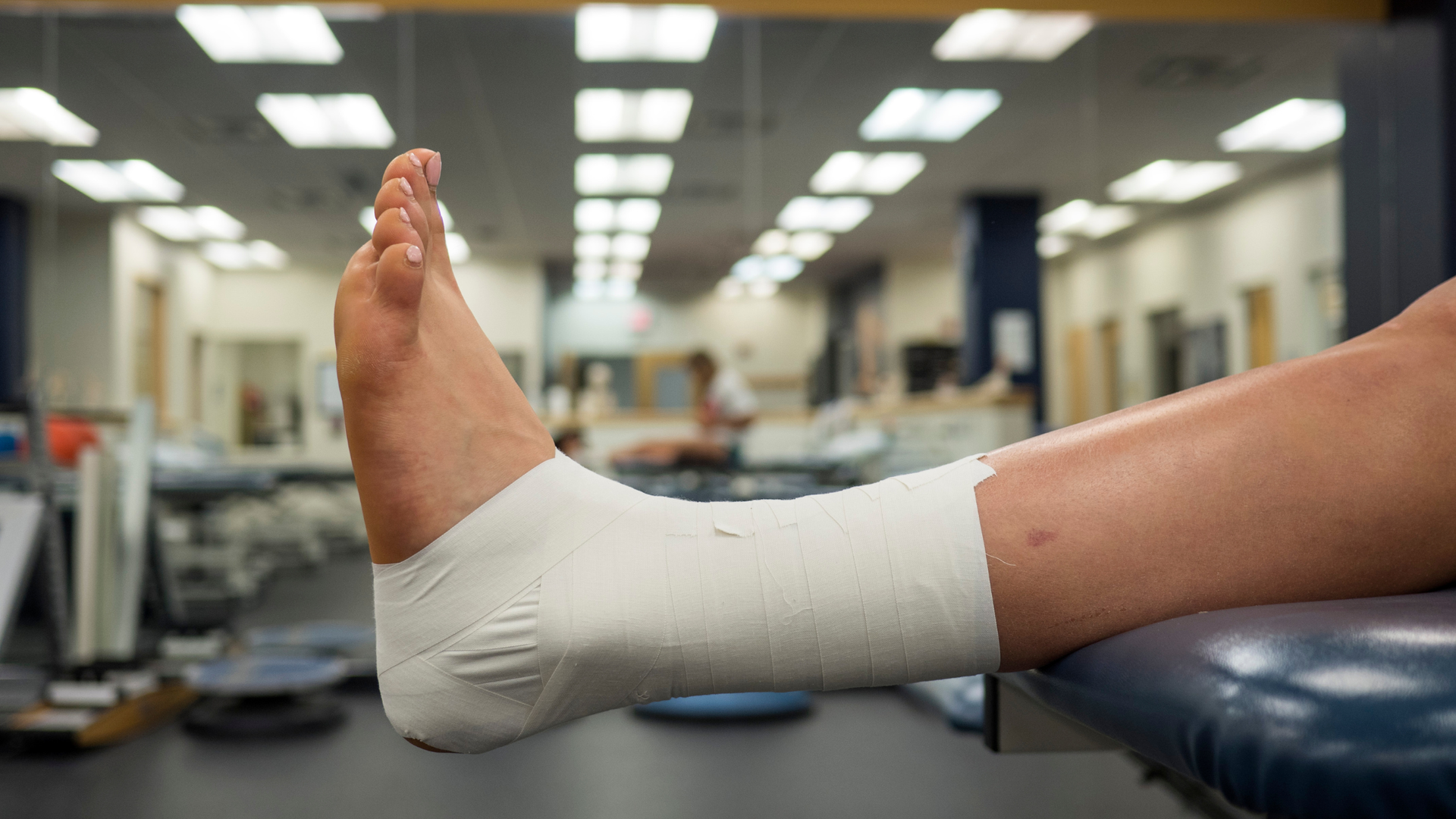
Don’t ignore an ankle sprain. Learn symptoms, causes, and why early treatment is key to preventing long-term pain and instability with expert podiatry care.
By VIV Builder • February 5, 2026
Show your feet some love this February. Learn about common foot problems like heel pain, ingrown toenails, and diabetic foot care, and how podiatry treatment can help.
Person's bare feet, one foot raised, hand touching the heel, on a neutral gray background.
By Thomas Boldry, DPM • January 27, 2026
By VIV Builder • January 23, 2026
Learn what a podiatrist does and how they can help treat foot and ankle conditions. Discover when to seek care and how to stay active, pain-free, and healthy.

By VIV Builder • January 9, 2026
Start the new year pain-free by addressing heel pain early. Learn common causes like plantar fasciitis and how podiatry care can help you stay active and comfortable.
Show More