Lapiplasty: A Better Way to Do Bunion Surgery

April 14, 2025

Lapiplasty: A Better Way to Do Bunion Surgery

Advancements in medical treatments often bring new hope and better outcomes for patients. If you’ve been dealing with painful bunions and are wary of traditional surgery , we have great news for you. The team at Comprehensive Foot & Ankle is proud to offer Lapiplasty, a revolutionary 3D bunion correction procedure that addresses the root causes of bunions, offering more consistent and dependable results.

Understanding Bunions and Traditional Surgery

What is a Bunion?

Bunions are painful bony bumps that form on the joint at the base of your big toe, caused by the misalignment of bones in your foot. They can lead to discomfort, difficulty walking, and even more severe foot deformities if left untreated.

Traditional Bunion Surgery (Osteotomy)

The conventional method for bunion correction, osteotomy, involves cutting and repositioning the misaligned bone. However, this two-dimensional approach often fails to address the complex, three-dimensional nature of the deformity. Because the underlying joint instability remains uncorrected, bunions treated with osteotomy have a high recurrence rate.
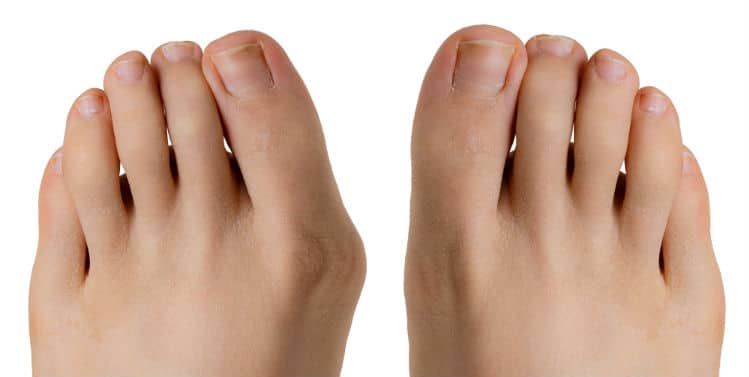
Pair of bare feet, one with a bunion on the big toe.

What is Lapiplasty?

Lapiplasty is an advanced bunion surgery technique that corrects the misalignment in three dimensions. Unlike traditional methods, Lapiplasty restores the natural anatomy of your foot, addressing the root cause of bunions and providing more effective and lasting results.

The 3D Advantage

Lapiplasty offers a true three-dimensional correction by repositioning the metatarsal bone in all planes—sideways, vertically, and rotationally—before making any cuts. This ensures a more precise and durable correction, reducing the chances of recurrence.

The Lapiplasty Procedure

Step-by-Step Overview

  1. Small Incisions: The procedure begins with minimal incisions, reducing scarring and promoting faster healing.
  2. Realigning the Metatarsal Bone: Advanced surgical tools reposition the bone in three dimensions before making any cuts.
  3. Precision Cutting and Securing with Titanium Plates: Small, precise cuts are made, and titanium plates are inserted to secure the unstable joint at the base of the metatarsal bone.

Benefits of Lapiplasty

Long-Term Results

  • Reduced risk of recurrence: Traditional osteotomies have a much higher failure rate.
  • More dependable outcomes: Proper bone alignment leads to long-lasting results.

Faster Recovery

  • Earlier mobility: Most patients can start walking in a surgical boot within days.
  • Quicker return to regular shoes: Patients typically transition back to normal footwear around the 6-week mark.

Minimally Invasive Approach

Smaller incisions result in:

    • Faster wound healing
    • Less post-surgical pain
    • Lower risk of infections
    • Less visible scarring

Frequently Asked Questions (FAQs)

What is Lapiplasty?

Lapiplasty is an innovative surgical approach that corrects bunions in all three dimensions, restoring the foot’s natural anatomy.

How does Lapiplasty differ from traditional bunion surgery?

Unlike osteotomy, which only repositions the bone in a single plane, Lapiplasty corrects the bunion in all three dimensions and secures the unstable joint to prevent recurrence.

What is the recovery process like?

Most patients are walking in a surgical boot within days, transitioning to regular footwear around six weeks post-surgery.

Are there any risks associated with Lapiplasty?

As with any surgery, risks exist, but Lapiplasty’s minimally invasive approach reduces complications like infection and excessive scarring.

Why Choose Comprehensive Foot & Ankle?

The team at Comprehensive Foot & Ankle specializes in advanced treatments like Lapiplasty. With years of experience and a commitment to patient care, we provide exceptional treatment options for bunion sufferers.

Why Choose Us?

  • Expert podiatric surgeons: Our specialists have extensive experience performing Lapiplasty.
  • Cutting-edge technology: We use the latest surgical tools for precise and effective correction.
  • Comprehensive patient care: From diagnosis to post-surgical recovery, we ensure you receive the highest quality care.

Contact Us

If you’re ready to take the next step toward pain-free feet, schedule an appointment at one of our six convenient locations. Call us today at (816) 455-1155 or visit our website to book online.
Person's bare feet, one foot raised, hand touching the heel, on a neutral gray background.
By Thomas Boldry, DPM January 27, 2026
Foot with a toenail showing a dark, brown discoloration.
By Thomas Boldry, DPM December 18, 2025
Person seated, holding foot, near discarded high heel, red mark on heel.
By Thomas Boldry, DPM November 21, 2025
Person placing a blue orthotic in a white sneaker. Light-colored wooden floor in a close-up shot.
By VIV Builder July 17, 2025
Your feet are the foundation of your entire body — when they’re not properly supported, it can lead to pain not just in your feet, but in your ankles, knees, hips, and back, too. That’s where custom orthotics come in! What Are Custom Orthotics? Custom orthotics are medical-grade shoe inserts that are specifically designed for your unique feet, gait, and needs. Unlike over-the-counter insoles, custom orthotics are crafted based on a detailed assessment by your podiatrist, ensuring the perfect fit and support for your lifestyle. Who Can Benefit from Custom Orthotics? Custom orthotics can help people with: ✅ Flat feet or high arches ✅ Plantar fasciitis or heel pain ✅ Bunions or hammertoes ✅ Arthritis ✅ Sports injuries ✅ Foot, ankle, knee, hip, or lower back pain caused by poor alignment How Do They Work? Custom orthotics work by redistributing pressure and correcting misalignments, which helps your feet function properly and comfortably. They can also help prevent future problems by providing the support you need with every step. Ready to Feel the Difference? If you’re experiencing foot or lower body pain, custom orthotics may be the solution you’ve been looking for. Schedule an appointment today and let our foot specialists help you step into lasting comfort and support!
Two bare feet on a gray textured surface, showing the tops of the feet and toes.
By Thomas Boldry, DPM June 20, 2025
Person's legs and feet in red flip-flops on stone floor, ankle bracelet visible, resting by white wall.
By Todd Nielsen May 13, 2025
Person walking on a path in a park, wearing athletic clothes, sunny day.
By VIV Builder April 10, 2025
Your feet are the foundation of your body, supporting you with every step you take. We understand that maintaining foot health is crucial to your overall well-being and mobility. In honor of April being National Foot Health Awareness Month, this blog explores why foot health should never be overlooked and provides tips for keeping your feet healthy. Why Foot Health Matters The human foot is a complex structure of 26 bones, 33 joints, and over 100 muscles, tendons, and ligaments. This intricate design allows for movements such as walking, running, and jumping. However, it also means that many things can go wrong if not cared for properly. Poor foot health can lead to a range of issues from simple aches and pains to more severe conditions like plantar fasciitis or diabetic neuropathy. Moreover, problems in your feet can affect other parts of your body, including your knees, hips, and back. Tips for Maintaining Healthy Feet Regular Check-ups: Just like regular dentist visits, regular check-ups with a podiatrist, especially during National Foot Health Awareness Month, can help catch foot problems before they become serious. Proper Footwear: Wear shoes that fit well and provide good support. Different activities require different types of shoes – what you wear for running is not suitable for a day at work. Foot Hygiene: Wash your feet daily, dry them thoroughly to prevent infections, and change socks daily. Stay Active: Regular exercise helps keep your feet and body healthy. Remember to stretch your feet and ankles before and after workouts. Manage Your Weight: Extra weight puts additional pressure on your feet, increasing the risk of foot disorders. Common Foot Conditions and Treatments Plantar Fasciitis: Often felt as heel pain, treated with exercises, proper footwear, and sometimes orthotics. Bunions: Misaligned big toe joints that can become swollen and tender. Treatment options include wearing comfortable shoes, pads, and in severe cases, surgery. Diabetic Foot Care: People with diabetes need to take extra care of their feet as poor blood circulation and nerve damage can lead to serious foot problems. We believe in a proactive approach to foot health. Whether you're an athlete, a busy professional, or enjoying retirement, taking good care of your feet is a step toward a healthier life. Celebrate National Foot Health Awareness Month with us and schedule an appointment today to learn how you can better care for your feet and enhance your overall wellness.
Person's foot being examined; gloved hands use a tool to inspect toenail in a close-up setting.
By Thomas Boldry, DPM January 16, 2025
Bare feet crossed on a blue textured surface.
By Thomas Boldry, DPM November 11, 2024
Show More