Can Flip Flops and Bare Feet Cause Heel Pain?

May 13, 2025

Can Flip Flops and Bare Feet Cause Heel Pain?

In Kansas City, the changing seasons influence everything from wardrobe choices to footwear needs. With scorching summers and chilly winters, it’s no surprise that many residents swap out supportive shoes for sandals or go barefoot during the warmer months. 

However, this seasonal shift can lead to a noticeable increase in heel pain , particularly during summer and early fall. One major factor behind this trend? The increased use of flip-flops and barefoot walking.
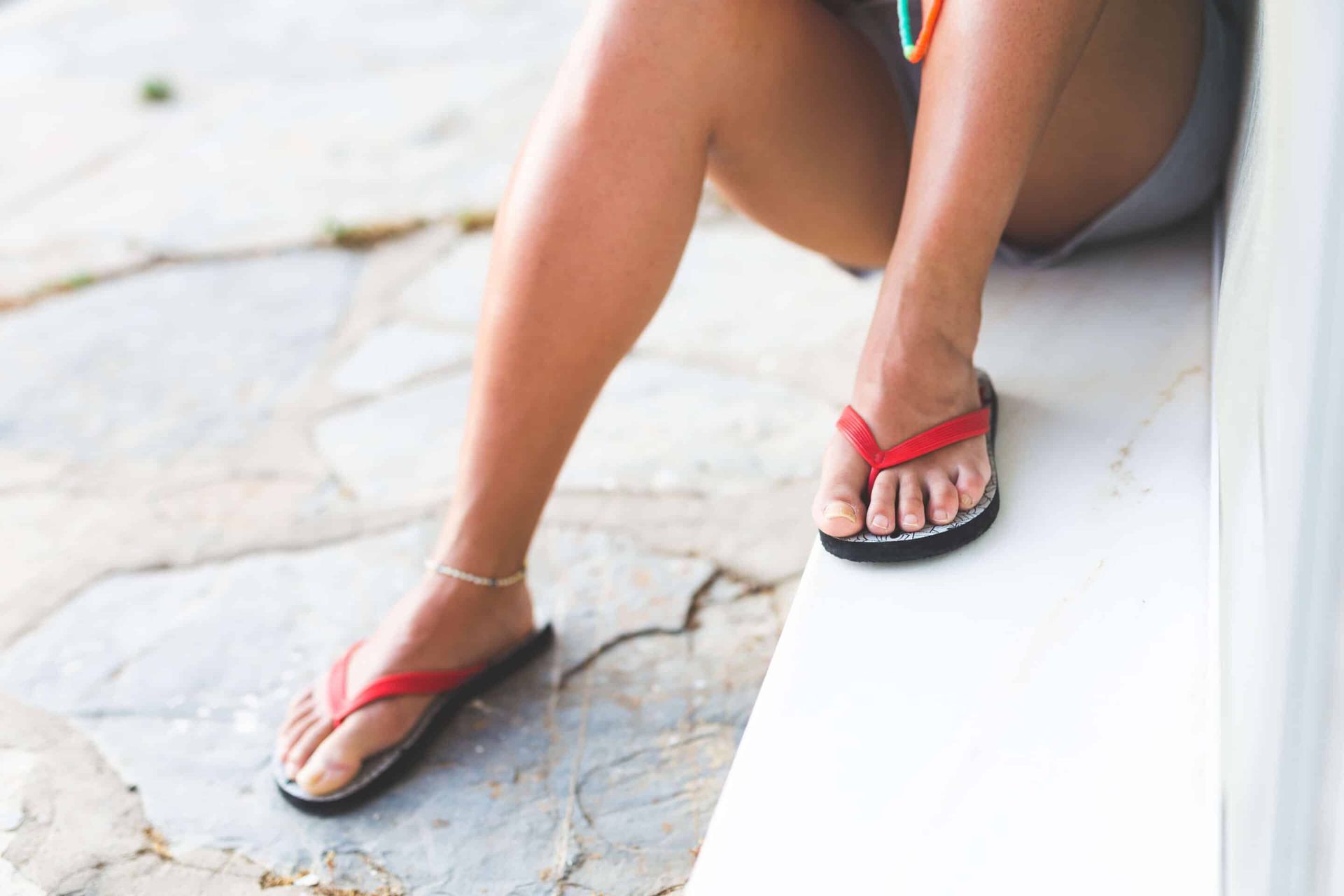
Legs of a person wearing red flip-flops, sitting outdoors on stone pavers, with a white ledge.

Understanding the Link Between Footwear and Heel Pain

1. The Importance of Proper Foot Support

Most modern shoes are intentionally designed with features like arch support, cushioning, and a slight heel-to-toe drop. These elements play a critical role in shock absorption, distributing weight evenly across the foot, and maintaining proper alignment. Without them, your heels endure far more impact than they’re built for.

Barefoot walking and wearing unsupportive shoes disrupt the body’s natural mechanics. On hard, flat surfaces, the lack of cushioning forces the heel to absorb excessive pressure, which can trigger inflammation and discomfort.

2. How Flip-Flops and Bare Feet Contribute to Heel Pain

One of the main culprits behind summer heel pain is the flip-flop. These lightweight sandals often lack any real arch support. As a result, they put significant strain on the plantar fascia —the band of tissue that runs along the bottom of your foot—potentially leading to plantar fasciitis, a common cause of heel pain.

Additionally, flip-flops change your walking mechanics. To keep them on, many people unconsciously shorten their strides or grip with their toes, resulting in an unstable gait. This misalignment can extend stress up through the heels, knees, and even into the lower back.

Walking barefoot, particularly on hard indoor floors like tile or wood, can have a similar effect. These surfaces provide no shock absorption, intensifying stress on the heel with each step.

Tips for Preventing Heel Pain While Staying Comfortable

  • Choose Supportive Footwear: Look for sandals that offer built-in arch support, adequate cushioning, and a slightly elevated heel. Avoid thin, flat options if you plan to walk or stand for extended periods.
  • Use Adjustable Heel Straps: Sandals with straps around the heel help secure the foot and encourage a more natural gait.
  • Limit Barefoot Walking Indoors: Instead of walking barefoot at home, use supportive house shoes or slippers to reduce heel stress.
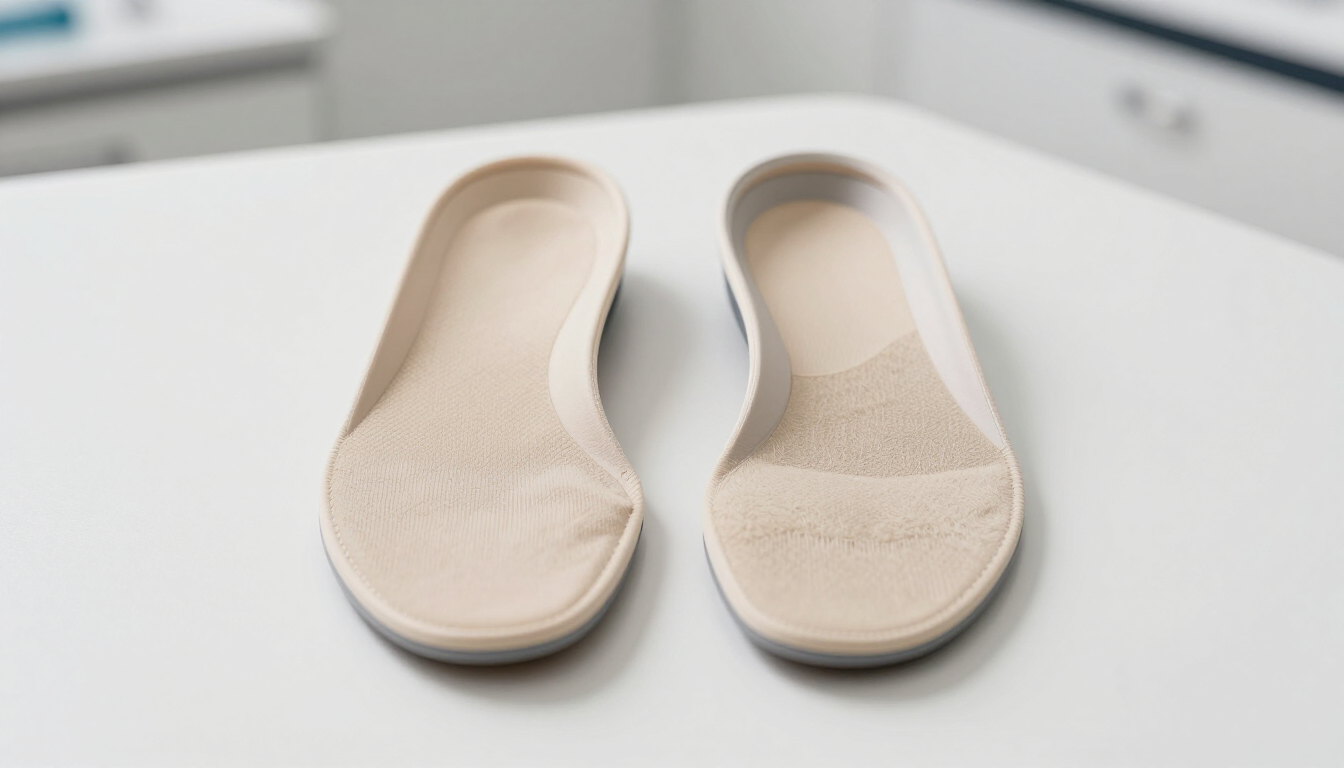
  • Consider Orthotic Inserts : Whether custom-made or over-the-counter, orthotic insoles can enhance arch support and correct misalignment.

When to See Our Podiatrists

If heel pain lingers despite switching footwear or becomes more intense in the morning or after periods of rest, it may be time to consult our professionals. Additional warning signs include swelling, redness, or difficulty moving the foot comfortably.

Common treatments include:

  • Custom orthotics designed to fit your feet and provide long-term support
  • Physical therapy and specific stretching routines
  • Advanced treatments like shockwave therapy for persistent or chronic cases

Take the Next Step Toward Pain-Free Feet

Heel pain doesn’t have to be a permanent part of your summer. If discomfort is interfering with your daily life, reach out to our team for expert care. Call us today at (816) 455-1155 or request an appointment online to get back on your feet—comfortably and confidently.
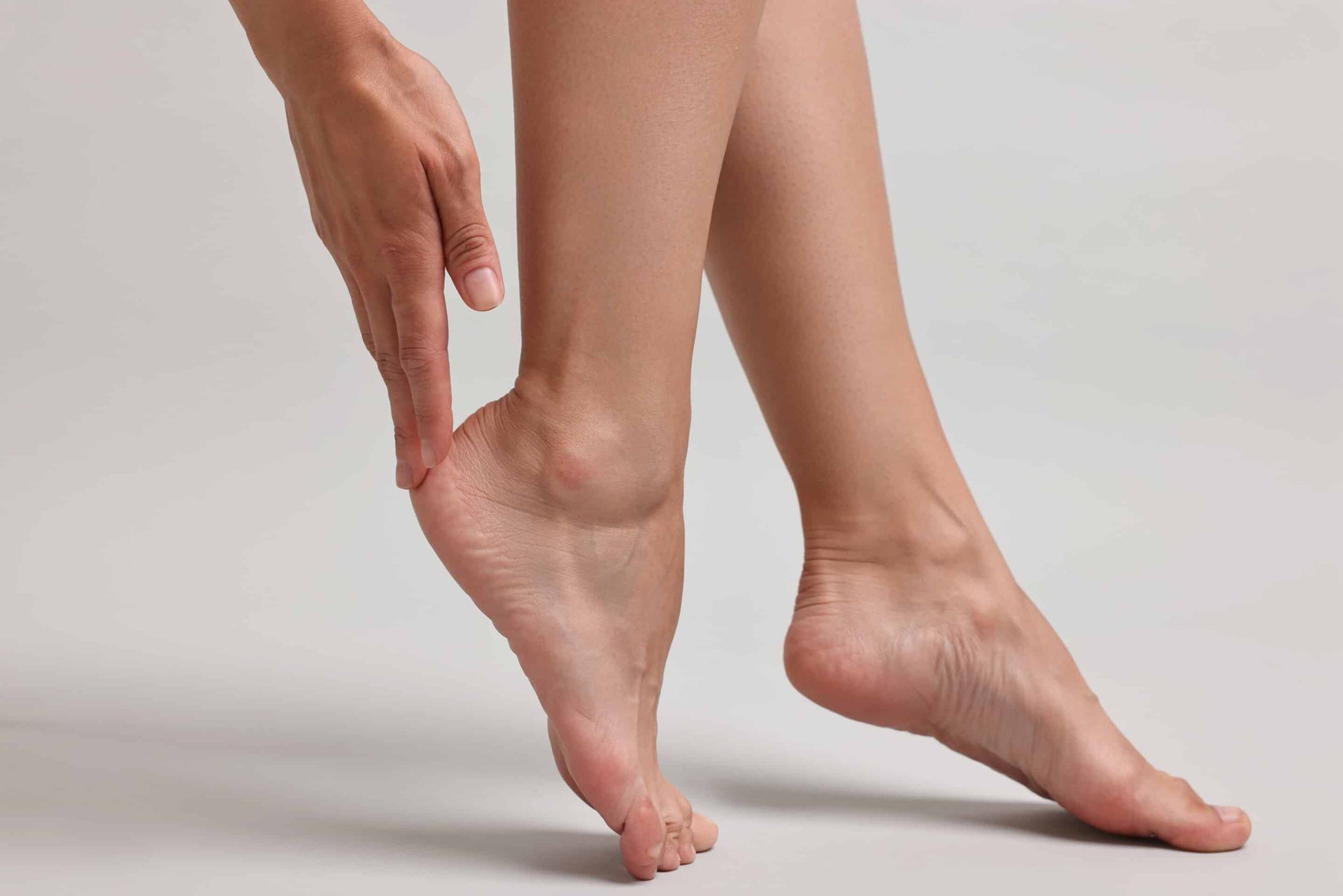
Person's bare feet, one foot raised, hand touching the heel, on a neutral gray background.
By Thomas Boldry, DPM January 27, 2026
Foot with a toenail showing a dark, brown discoloration.
By Thomas Boldry, DPM December 18, 2025
Person seated, holding foot, near discarded high heel, red mark on heel.
By Thomas Boldry, DPM November 21, 2025
Person placing a blue orthotic in a white sneaker. Light-colored wooden floor in a close-up shot.
By VIV Builder July 17, 2025
Your feet are the foundation of your entire body — when they’re not properly supported, it can lead to pain not just in your feet, but in your ankles, knees, hips, and back, too. That’s where custom orthotics come in! What Are Custom Orthotics? Custom orthotics are medical-grade shoe inserts that are specifically designed for your unique feet, gait, and needs. Unlike over-the-counter insoles, custom orthotics are crafted based on a detailed assessment by your podiatrist, ensuring the perfect fit and support for your lifestyle. Who Can Benefit from Custom Orthotics? Custom orthotics can help people with: ✅ Flat feet or high arches ✅ Plantar fasciitis or heel pain ✅ Bunions or hammertoes ✅ Arthritis ✅ Sports injuries ✅ Foot, ankle, knee, hip, or lower back pain caused by poor alignment How Do They Work? Custom orthotics work by redistributing pressure and correcting misalignments, which helps your feet function properly and comfortably. They can also help prevent future problems by providing the support you need with every step. Ready to Feel the Difference? If you’re experiencing foot or lower body pain, custom orthotics may be the solution you’ve been looking for. Schedule an appointment today and let our foot specialists help you step into lasting comfort and support!
Two bare feet on a gray textured surface, showing the tops of the feet and toes.
By Thomas Boldry, DPM June 20, 2025
Pair of human feet, one with a bunion. Light skin tone, white background.
By Thomas Boldry, DPM April 14, 2025
Person walking on a path in a park, wearing athletic clothes, sunny day.
By VIV Builder April 10, 2025
Your feet are the foundation of your body, supporting you with every step you take. We understand that maintaining foot health is crucial to your overall well-being and mobility. In honor of April being National Foot Health Awareness Month, this blog explores why foot health should never be overlooked and provides tips for keeping your feet healthy. Why Foot Health Matters The human foot is a complex structure of 26 bones, 33 joints, and over 100 muscles, tendons, and ligaments. This intricate design allows for movements such as walking, running, and jumping. However, it also means that many things can go wrong if not cared for properly. Poor foot health can lead to a range of issues from simple aches and pains to more severe conditions like plantar fasciitis or diabetic neuropathy. Moreover, problems in your feet can affect other parts of your body, including your knees, hips, and back. Tips for Maintaining Healthy Feet Regular Check-ups: Just like regular dentist visits, regular check-ups with a podiatrist, especially during National Foot Health Awareness Month, can help catch foot problems before they become serious. Proper Footwear: Wear shoes that fit well and provide good support. Different activities require different types of shoes – what you wear for running is not suitable for a day at work. Foot Hygiene: Wash your feet daily, dry them thoroughly to prevent infections, and change socks daily. Stay Active: Regular exercise helps keep your feet and body healthy. Remember to stretch your feet and ankles before and after workouts. Manage Your Weight: Extra weight puts additional pressure on your feet, increasing the risk of foot disorders. Common Foot Conditions and Treatments Plantar Fasciitis: Often felt as heel pain, treated with exercises, proper footwear, and sometimes orthotics. Bunions: Misaligned big toe joints that can become swollen and tender. Treatment options include wearing comfortable shoes, pads, and in severe cases, surgery. Diabetic Foot Care: People with diabetes need to take extra care of their feet as poor blood circulation and nerve damage can lead to serious foot problems. We believe in a proactive approach to foot health. Whether you're an athlete, a busy professional, or enjoying retirement, taking good care of your feet is a step toward a healthier life. Celebrate National Foot Health Awareness Month with us and schedule an appointment today to learn how you can better care for your feet and enhance your overall wellness.
Person's foot being examined; gloved hands use a tool to inspect toenail in a close-up setting.
By Thomas Boldry, DPM January 16, 2025
Bare feet crossed on a blue textured surface.
By Thomas Boldry, DPM November 11, 2024
Show More