How Custom Orthotics Relieve Heel Pain: Benefits and Treatment Options

January 6, 2025

How Custom Orthotics Relieve Heel Pain: Benefits and Treatment Options

Experiencing heel pain can turn ordinary activities like walking or standing into a constant struggle. Fortunately, custom orthotics provide a highly effective solution to alleviate this pain and enhance your quality of life.

Introduction to Heel Pain and Its Impact on Daily Life

Heel pain is a common issue that can affect anyone, disrupting daily routines and diminishing overall well-being. From prolonged standing to intense physical activity, or underlying conditions, this discomfort can significantly hinder mobility. Custom orthotics offer a tailored approach to address these challenges , providing relief and restoring comfort.

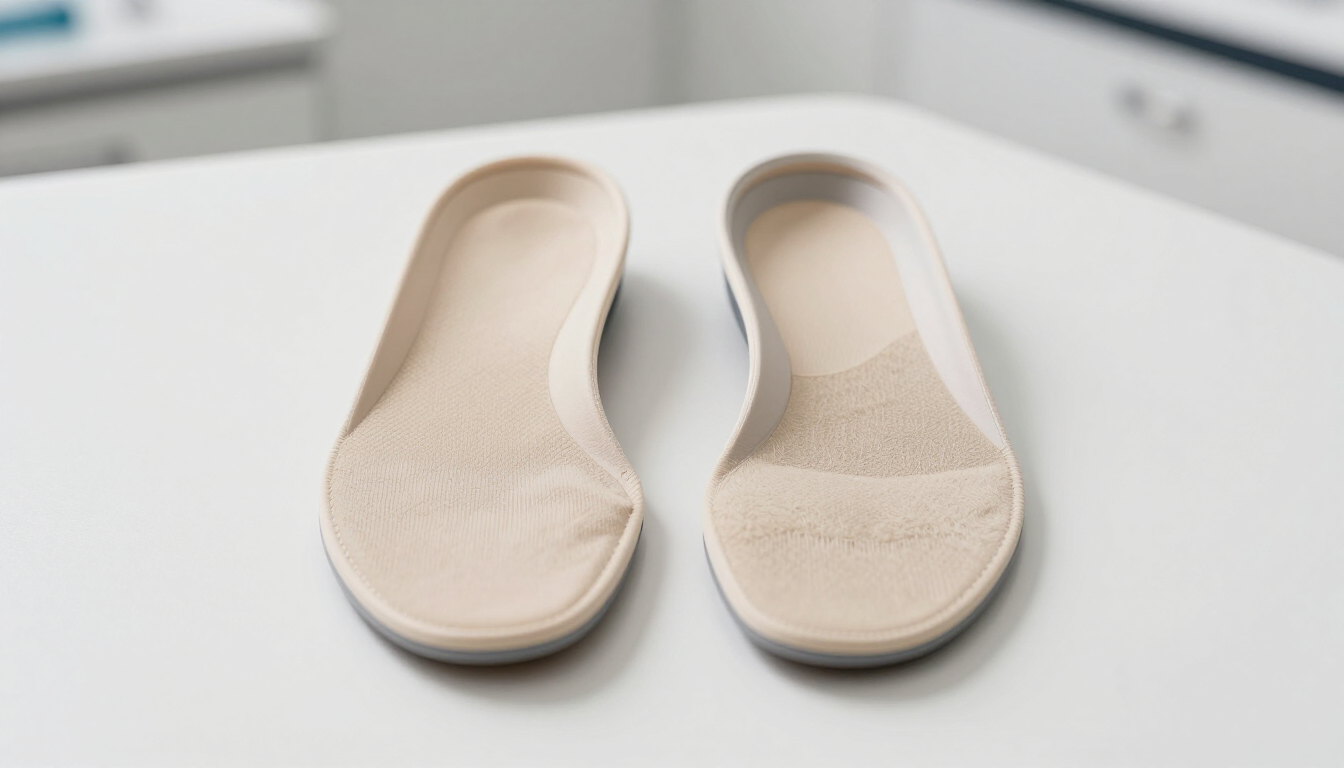
Two white shoe insoles on a gray concrete surface, with a dark, blurred background.

Overview of Heel Pain

Common Causes of Heel Pain

Heel pain can arise from various factors, including:

  • Plantar Fasciitis
  • Achilles Tendinitis
  • Heel Spurs
  • Stress Fractures
  • Bursitis
  • Tarsal Tunnel Syndrome

Importance of Early Intervention

Early diagnosis and treatment are essential to prevent chronic pain and secondary complications. Addressing heel pain promptly ensures better outcomes and helps maintain an active lifestyle.

Understanding Heel Pain

Common Causes of Heel Pain

  1. Plantar Fasciitis: Inflammation of the plantar fascia causing sharp, morning heel pain.
  2. Achilles Tendinitis: Overuse or strain of the Achilles tendon leading to stiffness and discomfort.
  3. Heel Spurs: Bony growths causing stabbing pain in the heel.
  4. Stress Fractures: Tiny bone cracks from repetitive stress or overuse.
  5. Bursitis: Swelling of fluid-filled sacs (bursae) around the heel.
  6. Tarsal Tunnel Syndrome: Nerve compression causing pain and tingling near the heel.

Symptoms of Heel Pain

  • Intense, stabbing pain in the heel.
  • Discomfort that worsens after physical activity or prolonged rest.
  • Swelling and tenderness in the heel area.
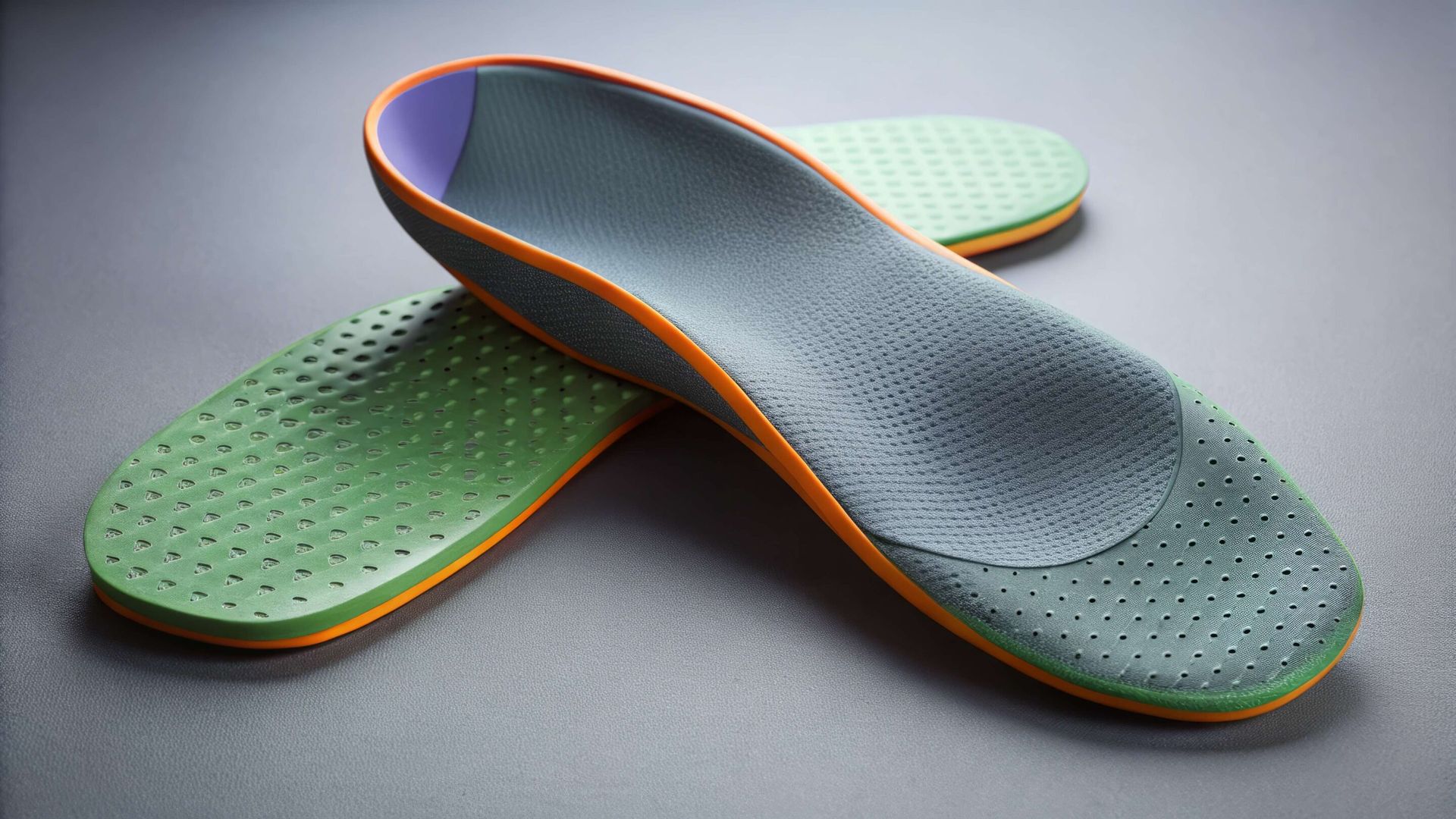
Two orthotic shoe inserts, green and gray, with orange and purple accents, resting on a gray surface.

What are Custom Orthotics?

Custom orthotics are specialized shoe inserts crafted to match the unique contours of your feet. Unlike generic insoles, these devices are designed to address specific needs, ensuring optimal support and comfort.

Process of Creating Custom Orthotics

  1. Assessment: Our expert podiatrists evaluate your feet and gait.
  2. Casting: Molds or digital scans capture the exact shape of your feet.
  3. Fitting: Custom orthotics are created and fine-tuned for maximum effectiveness.

Types of Custom Orthotics

  • Functional Orthotics: Correct abnormal motion and improve biomechanics.
  • Accommodative Orthotics: Add cushioning and support for enhanced comfort.

Benefits of Custom Orthotics for Heel Pain

  • Enhanced Support and Cushioning: Custom orthotics provide targeted support to the heel and arch, reducing strain and absorbing shock for long-lasting relief.
  • Improved Foot Alignment: By correcting alignment, orthotics alleviate stress on the heel and other foot areas, reducing pain and preventing complications.
  • Reduced Inflammation and Pain Relief: Custom orthotics distribute pressure evenly, minimizing inflammation and delivering significant pain relief.
  • Prevention of Future Injuries: These inserts not only treat existing pain but also reduce the risk of re-injury, promoting long-term foot health.

Custom Orthotics for Specific Heel Pain Conditions

  • Plantar Fasciitis: Custom orthotics support the arch and reduce stress on the plantar fascia, easing morning pain and preventing flare-ups.
  • Achilles Tendinitis: Orthotics provide a slight heel lift, relieving tension on the Achilles tendon and improving overall mobility.
  • Heel Spurs: By cushioning the heel and absorbing impact, orthotics alleviate the discomfort caused by heel spurs.
  • Stress Fractures: Custom orthotics evenly distribute weight, creating a stable foundation for healing and preventing further fractures.
  • Bursitis: Reducing pressure on inflamed bursae, orthotics help alleviate pain and prevent recurrence.
  • Tarsal Tunnel Syndrome: Orthotics support the arch and minimize nerve compression, offering long-term symptom relief.

Custom orthotics provide tailored support, improved alignment, pain relief, and injury prevention, making them an invaluable tool for managing heel pain.

If heel pain is interfering with your life, custom orthotics may be the solution you need. Schedule a consultation with us today or call (816) 455-1155 to explore how they can transform your foot health and restore your comfort.
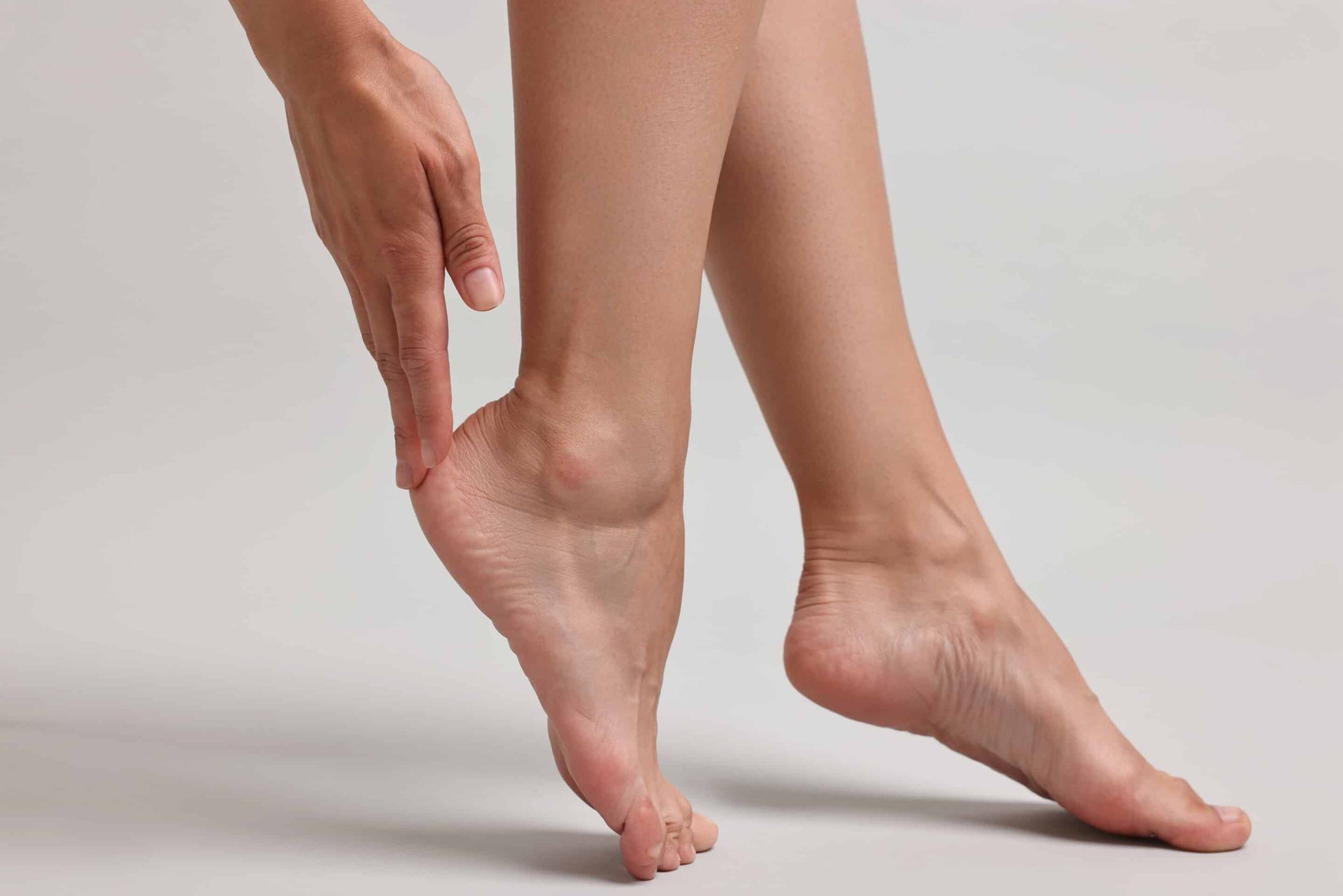
Person's bare feet, one foot raised, hand touching the heel, on a neutral gray background.
By Thomas Boldry, DPM January 27, 2026
Foot with a toenail showing a dark, brown discoloration.
By Thomas Boldry, DPM December 18, 2025
Person seated, holding foot, near discarded high heel, red mark on heel.
By Thomas Boldry, DPM November 21, 2025
Person placing a blue orthotic in a white sneaker. Light-colored wooden floor in a close-up shot.
By VIV Builder July 17, 2025
Your feet are the foundation of your entire body — when they’re not properly supported, it can lead to pain not just in your feet, but in your ankles, knees, hips, and back, too. That’s where custom orthotics come in! What Are Custom Orthotics? Custom orthotics are medical-grade shoe inserts that are specifically designed for your unique feet, gait, and needs. Unlike over-the-counter insoles, custom orthotics are crafted based on a detailed assessment by your podiatrist, ensuring the perfect fit and support for your lifestyle. Who Can Benefit from Custom Orthotics? Custom orthotics can help people with: ✅ Flat feet or high arches ✅ Plantar fasciitis or heel pain ✅ Bunions or hammertoes ✅ Arthritis ✅ Sports injuries ✅ Foot, ankle, knee, hip, or lower back pain caused by poor alignment How Do They Work? Custom orthotics work by redistributing pressure and correcting misalignments, which helps your feet function properly and comfortably. They can also help prevent future problems by providing the support you need with every step. Ready to Feel the Difference? If you’re experiencing foot or lower body pain, custom orthotics may be the solution you’ve been looking for. Schedule an appointment today and let our foot specialists help you step into lasting comfort and support!
Two bare feet on a gray textured surface, showing the tops of the feet and toes.
By Thomas Boldry, DPM June 20, 2025
Person's legs and feet in red flip-flops on stone floor, ankle bracelet visible, resting by white wall.
By Todd Nielsen May 13, 2025
Pair of human feet, one with a bunion. Light skin tone, white background.
By Thomas Boldry, DPM April 14, 2025
Person walking on a path in a park, wearing athletic clothes, sunny day.
By VIV Builder April 10, 2025
Your feet are the foundation of your body, supporting you with every step you take. We understand that maintaining foot health is crucial to your overall well-being and mobility. In honor of April being National Foot Health Awareness Month, this blog explores why foot health should never be overlooked and provides tips for keeping your feet healthy. Why Foot Health Matters The human foot is a complex structure of 26 bones, 33 joints, and over 100 muscles, tendons, and ligaments. This intricate design allows for movements such as walking, running, and jumping. However, it also means that many things can go wrong if not cared for properly. Poor foot health can lead to a range of issues from simple aches and pains to more severe conditions like plantar fasciitis or diabetic neuropathy. Moreover, problems in your feet can affect other parts of your body, including your knees, hips, and back. Tips for Maintaining Healthy Feet Regular Check-ups: Just like regular dentist visits, regular check-ups with a podiatrist, especially during National Foot Health Awareness Month, can help catch foot problems before they become serious. Proper Footwear: Wear shoes that fit well and provide good support. Different activities require different types of shoes – what you wear for running is not suitable for a day at work. Foot Hygiene: Wash your feet daily, dry them thoroughly to prevent infections, and change socks daily. Stay Active: Regular exercise helps keep your feet and body healthy. Remember to stretch your feet and ankles before and after workouts. Manage Your Weight: Extra weight puts additional pressure on your feet, increasing the risk of foot disorders. Common Foot Conditions and Treatments Plantar Fasciitis: Often felt as heel pain, treated with exercises, proper footwear, and sometimes orthotics. Bunions: Misaligned big toe joints that can become swollen and tender. Treatment options include wearing comfortable shoes, pads, and in severe cases, surgery. Diabetic Foot Care: People with diabetes need to take extra care of their feet as poor blood circulation and nerve damage can lead to serious foot problems. We believe in a proactive approach to foot health. Whether you're an athlete, a busy professional, or enjoying retirement, taking good care of your feet is a step toward a healthier life. Celebrate National Foot Health Awareness Month with us and schedule an appointment today to learn how you can better care for your feet and enhance your overall wellness.
Person's foot being examined; gloved hands use a tool to inspect toenail in a close-up setting.
By Thomas Boldry, DPM January 16, 2025
Bare feet crossed on a blue textured surface.
By Thomas Boldry, DPM November 11, 2024
Show More