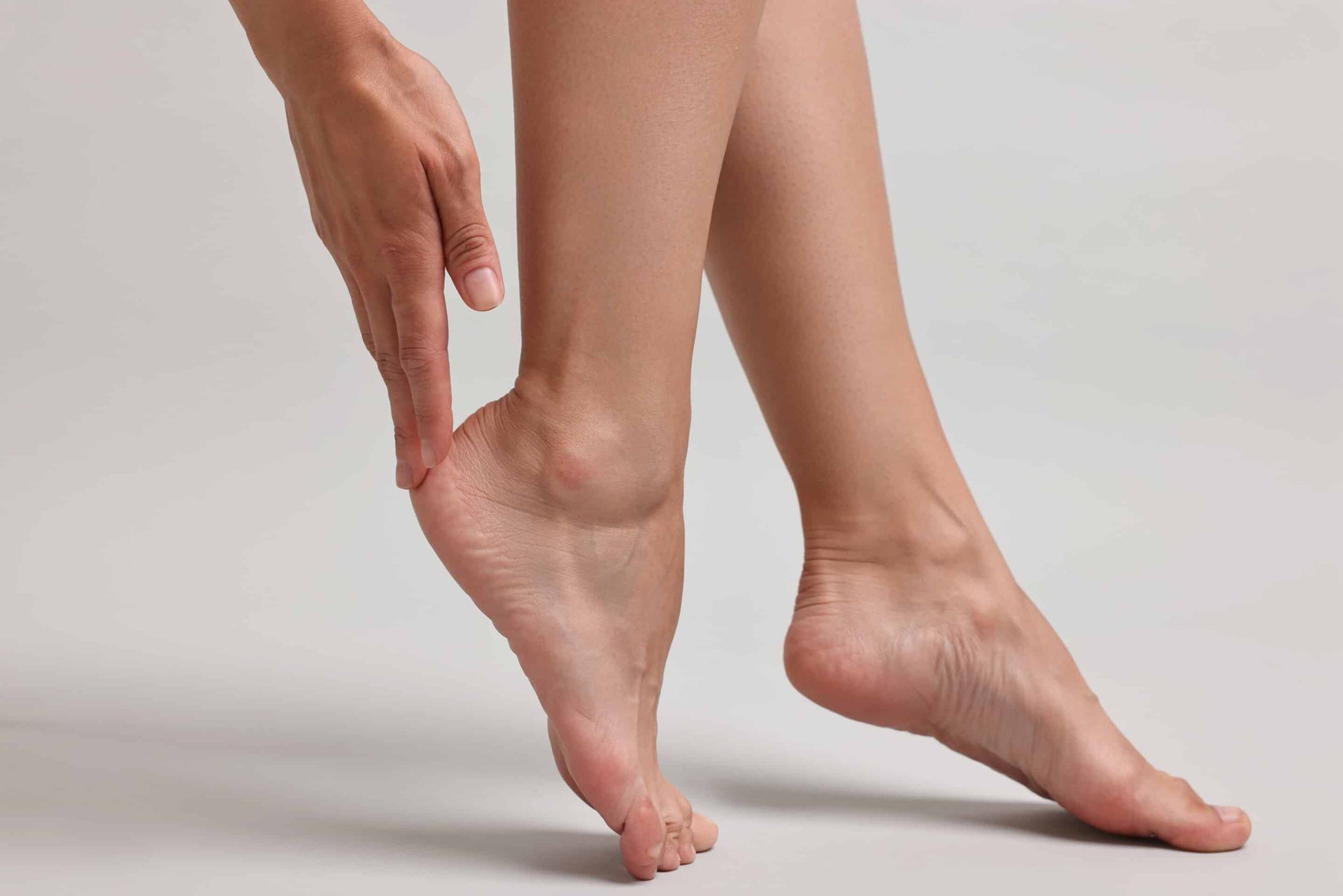
Hammertoe is a common foot deformity that causes one or more toes to bend downward, creating discomfort and often impacting daily activities. Addressing hammertoe early is crucial, as untreated cases may worsen, leading to increased pain, difficulty walking, and a higher likelihood of needing surgical intervention. Fortunately, various non-surgical and surgical treatment options are available to relieve symptoms and improve foot health.
Hammertoe occurs when the toe bends downward at the middle joint, giving it a hammer-like appearance. Common symptoms include pain, corns, calluses, and difficulty finding comfortable shoes. Early intervention can often prevent these symptoms from worsening. Both non-surgical and surgical treatments are available, allowing individuals to find solutions that best suit their needs.

Understanding Hammertoe
Hammertoe develops when there is an abnormal bending of one or more toe joints, typically in the second, third, or fourth toe. There are two types:
- Flexible Hammertoe: The toe can still move at the joint.
- Rigid Hammertoe: The joint becomes fixed, and the toe is no longer able to straighten.
The condition occurs when the muscles, tendons, or ligaments that usually hold the toe straight are imbalanced, causing the toe to bend.
Common Symptoms
- Pain and Discomfort: Pain is often felt in the affected toe, especially when walking or wearing shoes.
- Corns and Calluses: These can develop on the top of the bent toe due to friction.
- Inflammation and Redness: The toe may become swollen, red, and even feel hot or irritated.
- Difficulty with Footwear: People with hammertoes often have trouble finding shoes that fit comfortably.
Causes of Hammertoe
Primary Causes
- Genetic Predisposition: Certain foot structures may be inherited, making some individuals more prone to hammertoe.
- Improper Footwear: Wearing tight, narrow shoes or high heels that press the toes can increase the risk.
- Injury or Trauma: Trauma to the toe can disrupt its natural position, leading to hammertoe.
- Muscle Imbalance: Imbalances in the toe’s muscles, tendons, or ligaments can pull the toe into a bent position.
Secondary Causes
- Arthritis: Inflammatory conditions like arthritis can increase joint stiffness, contributing to hammertoe.
- Diabetes: Nerve and muscle issues associated with diabetes may also lead to hammertoe.
Non-Surgical Treatment Options
Footwear Modifications
Switching to shoes with a wide-toe box can relieve pressure on the affected toes, helping to reduce discomfort. Avoid high heels and tight shoes that can aggravate symptoms.
Orthotic Devices
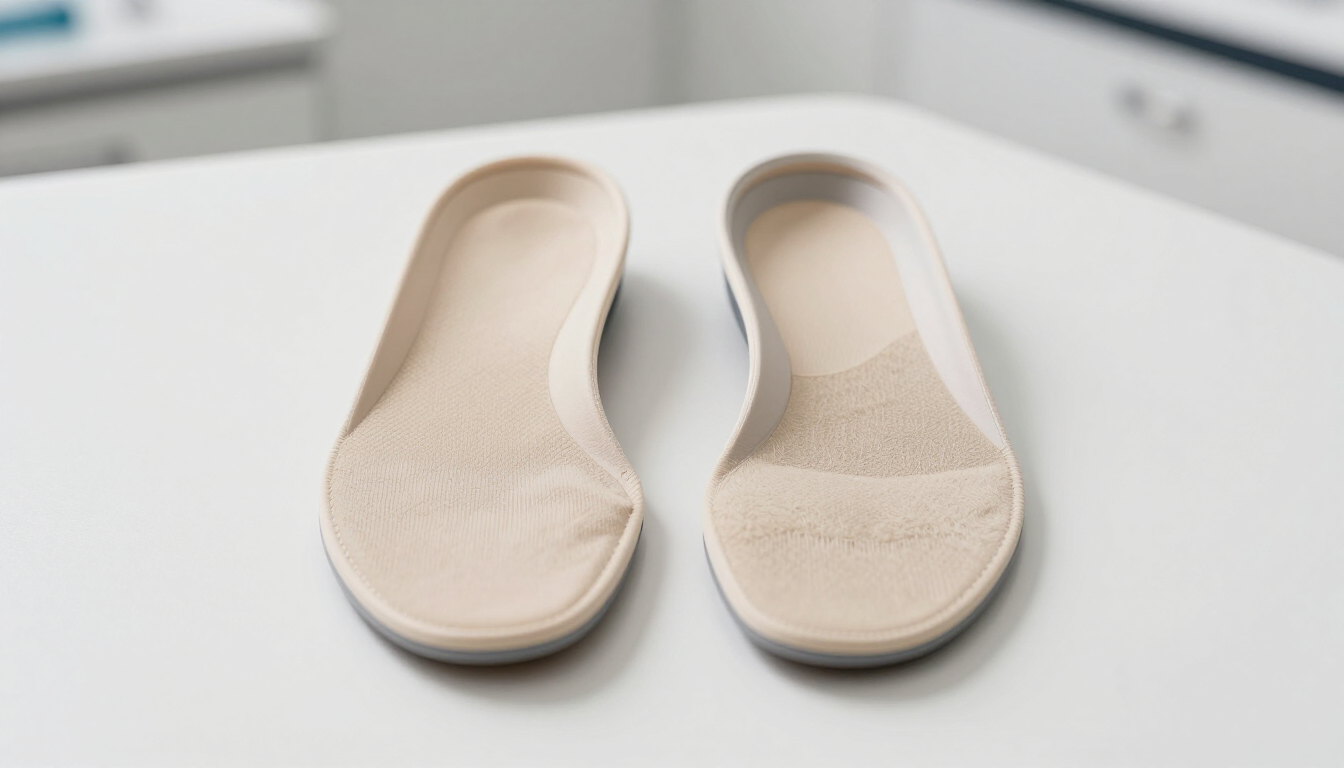
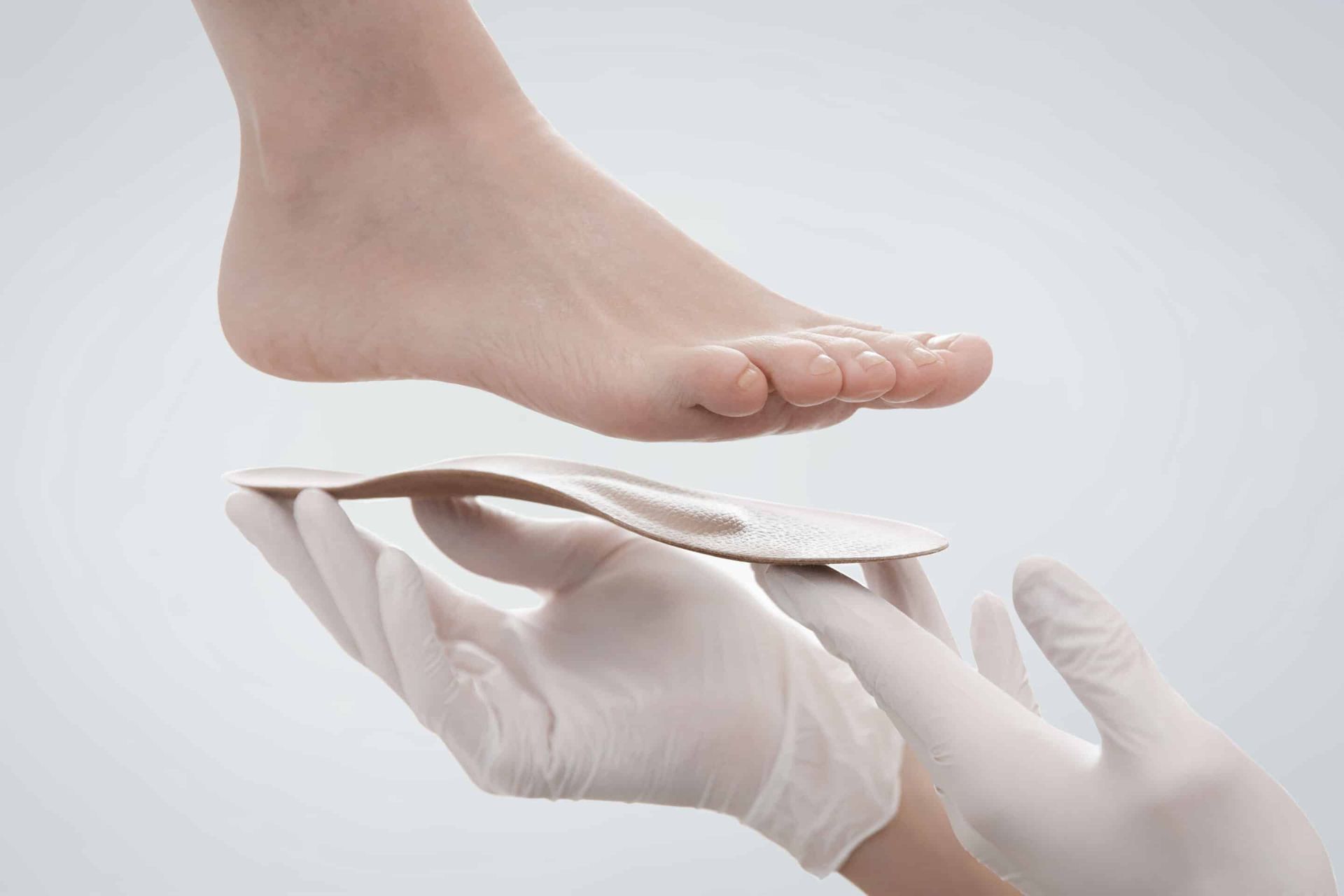
- Custom Orthotics: Orthotics provide support and can help distribute pressure more evenly, alleviating pain.
- Toe Splints or Straps: These devices encourage the toe to straighten and maintain proper alignment.
Physical Therapy and Exercises
- Toe Strengthening Exercises: Specific exercises can strengthen the muscles in the toes, potentially reversing early hammertoe.
- Stretching Routines: Regularly stretching the toe and calf muscles can improve flexibility and reduce tension.
Medications
Over-the-counter pain relievers and anti-inflammatory medications can manage pain and swelling effectively.
Lifestyle Changes
- Healthy Weight Management: Maintaining a healthy weight reduces pressure on the toes and overall foot structure.
- Regular Foot Inspections: Checking for any signs of changes can ensure early detection and treatment of hammertoe.
Surgical Treatment Options
Surgery may be considered for severe hammertoe cases where non-surgical options are ineffective. Individuals with rigid hammertoe or significant pain are often candidates for surgery.
Types of Hammertoe Surgery
- Tendon Release (Tenotomy): Involves cutting the tendon to allow the toe to straighten. Recovery typically includes a few weeks of rest and gentle movement exercises.
- Joint Resection (Arthroplasty): The surgeon removes part of the joint, allowing the toe to straighten. Rehabilitation exercises post-surgery help restore movement.
- Fusion (Arthrodesis): The affected bones are fused, permanently straightening the toe. This procedure is usually for severe cases and provides long-term stability.
- Implant Insertion: Small implants are sometimes used to maintain alignment, offering a more durable solution for certain cases.
Preventing Hammertoe
- Footwear Tips: Wearing the right shoes from a young age is one of the best preventive measures. Replace shoes as soon as they show wear, and prioritize options that provide adequate toe space and support.
- Regular Foot Care: Inspecting your feet regularly and maintaining hygiene can help identify early signs of hammertoe. Seeking professional advice at the first indication of deformities ensures that treatment can begin as soon as possible.
- Exercises and Stretches: Incorporate foot and toe exercises into your daily routine to maintain flexibility and prevent hammertoe from developing.
Recovery and Long-Term Management
Post-Treatment Care
Following our experienced podiatrist’s guidelines after treatment is essential to ensure a smooth recovery. Ice and elevation can help manage pain and swelling, and comfortable, supportive shoes aid the healing process.
Ongoing Care
To maintain foot health long-term, regular check-ups with our seasoned podiatrists and continuing with exercises and suitable footwear are recommended. Adopting these practices can prevent hammertoe from recurring or worsening.
Hammertoe can be managed through a variety of treatment options, both non-surgical and surgical. Addressing it early often minimizes the need for invasive treatments. If you’re experiencing symptoms, don’t wait—seek professional guidance for personalized treatment.
If you suspect you have hammertoe, schedule an appointment with us to discuss your treatment options. For consultations or more information, contact us today and take the first step toward healthier, more comfortable feet.